Five storms
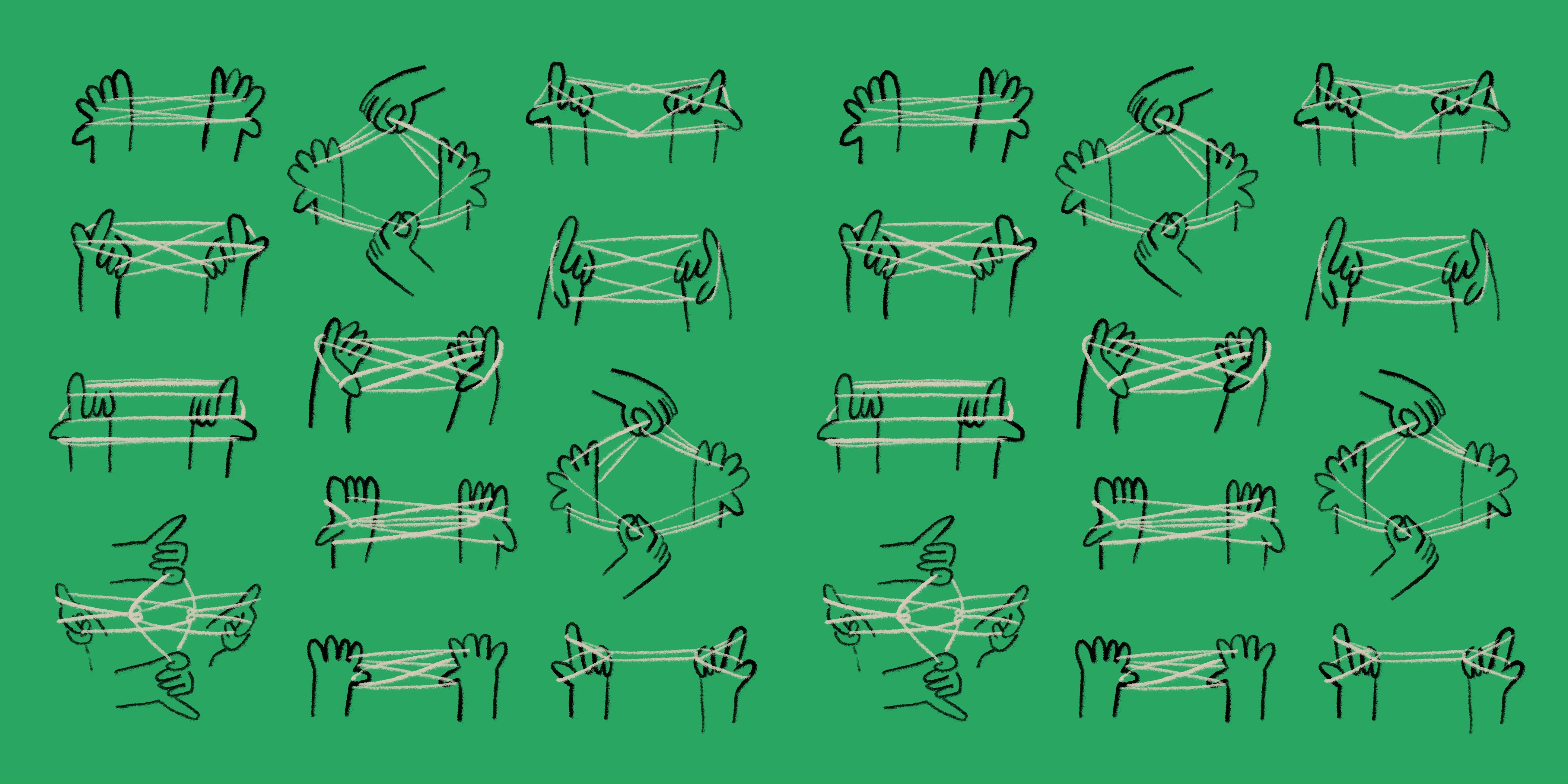
Mikado sticks and cat's cradle
Although it may seem so, the title is not a metaphor for the attacks on freedom and international law currently being waged by the empire, both domestically and abroad. It could be, but I am being literal and local. Last month, Portugal was hit by the longest train of storms within living memory, and the central government’s response to the climate emergency has merely repeated all its other policies (and, for that matter, the policies of Western states in general): socialise the losses, privatise the profits.
While the minority that owns the means of production sees its profits skyrocket, the working class feels asphyxiated with a boot on its neck. And also anxious, depressed and exhausted. Which is no accident, but proof of the success of capitalist subjectivity: we are conditioned to cope with the malfunctioning of society (and distract ourselves), rather than understand the root causes of the contradictions we experience every day and act accordingly.
I am angry because social democracy no longer exists. After people were killed, directly and indirectly, by the storms; after they were left without electricity, communications, and water, the first response did not come from the government (which, to this day, remains largely insufficient) but from the grassroots community. The gestures of solidarity from the working class and from a political party – the obvious one – which opened its local branch to offer shelter and hot meals and formed teams to help the population and clear the rubble, were not only beautiful but also offered a glimpse of what collective power can do. But first, more of us need to understand the root causes of the contradictions we feel every day. And act accordingly, without delay.
A friend and I gathered some donations from friends and took roof tiles and other building materials to the most affected area a week after the worst storm. The scene was Dantesque: trees and electricity poles fallen like Mikado sticks, people trying to repair their roofs in heavy rain, swamps in areas that used to be pine forests, before the storms, before the fires. And I am angry because the empire is bombing a girls’ school in Iran (perhaps to ‘liberate women’, right?), starving Cubans, kidnapping the president of a sovereign country, and planning a takeover of Gaza, while surveilling, detaining, and killing marginalised communities and protesters at home. And the US is the largest contributor to excess emissions and its military-industrial complex is the world’s largest institutional consumer of hydrocarbons, so war and climate change are intrinsically connected.
The question that always comes to my mind is, ‘What do we do now?’ How to challenge others’ belief in capitalist realism and talk about possible alternatives to this system? Not only here (hence the initial excursion), but also in my work.
There is a brilliant children’s book written by Gramsci and illustrated by Raysa Fontana called Um Homem no Buraco (A Man in the Hole), published by Boitatá in Brazilian Portuguese. It is, in fact, a retelling of a story by the proletarian writer Lucien Jean, later recalled and narrated in a letter sent from prison by Antonio Gramsci to his wife, years after the newspaper L’Ordine Nuovo had published a shortened version accompanied by Gramsci’s reflections. In those remarks, he draws attention to the need for the working class to develop its own institutions and its own understanding of reality.
So perhaps making picture books can be useful. I don’t know. Lately, I’ve been in a dilemma about the book I’m working on.
It is the fourth biography for the Heroínas das Artes (Heroines of the Arts) collection and the third devoted to an artist. The idea of telling herstories, rather than histories, to children feels like a reparative gesture. Yet even though Paula Rego – the second artist in the collection – fiercely sought to change abortion laws through her work, all of them (Ana Hatherly, Paula Rego, and Vieira da Silva, whose biography I am currently writing and illustrating) grew up in highly privileged circumstances. They were all born during the dictatorship, but their families were part of the liberal bourgeoisie and sent them to study abroad. And privilege reproduces itself. So, are they really heroines?
While I decide whether or not to do a fifth book, I need to finish this one, and since this newsletter is also about my process, here’s a tour:
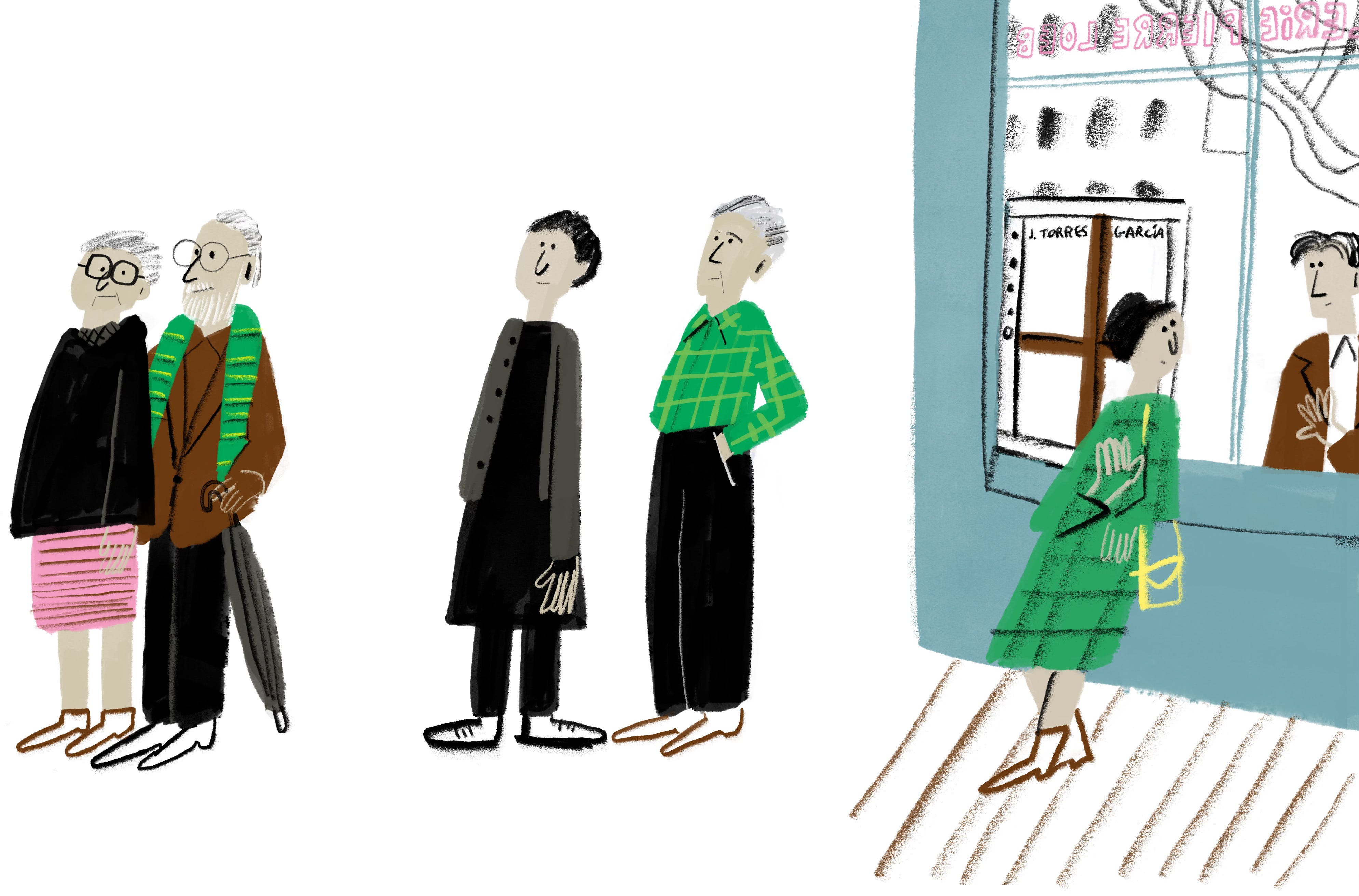
After writing the first draft of the book, I drew portraits of the main characters at different ages (Vieira da Silva and her husband, Arpad Szenes) until I liked the balance between description and synthesis, between the characters’ likeness and stylization. Then I moved on to sketching a double page spread in black and white and tried two different approaches: a line-driven version, with more white areas and more diluted washes, and a shape-driven one, built from flat planes of colour and more opaque tones.
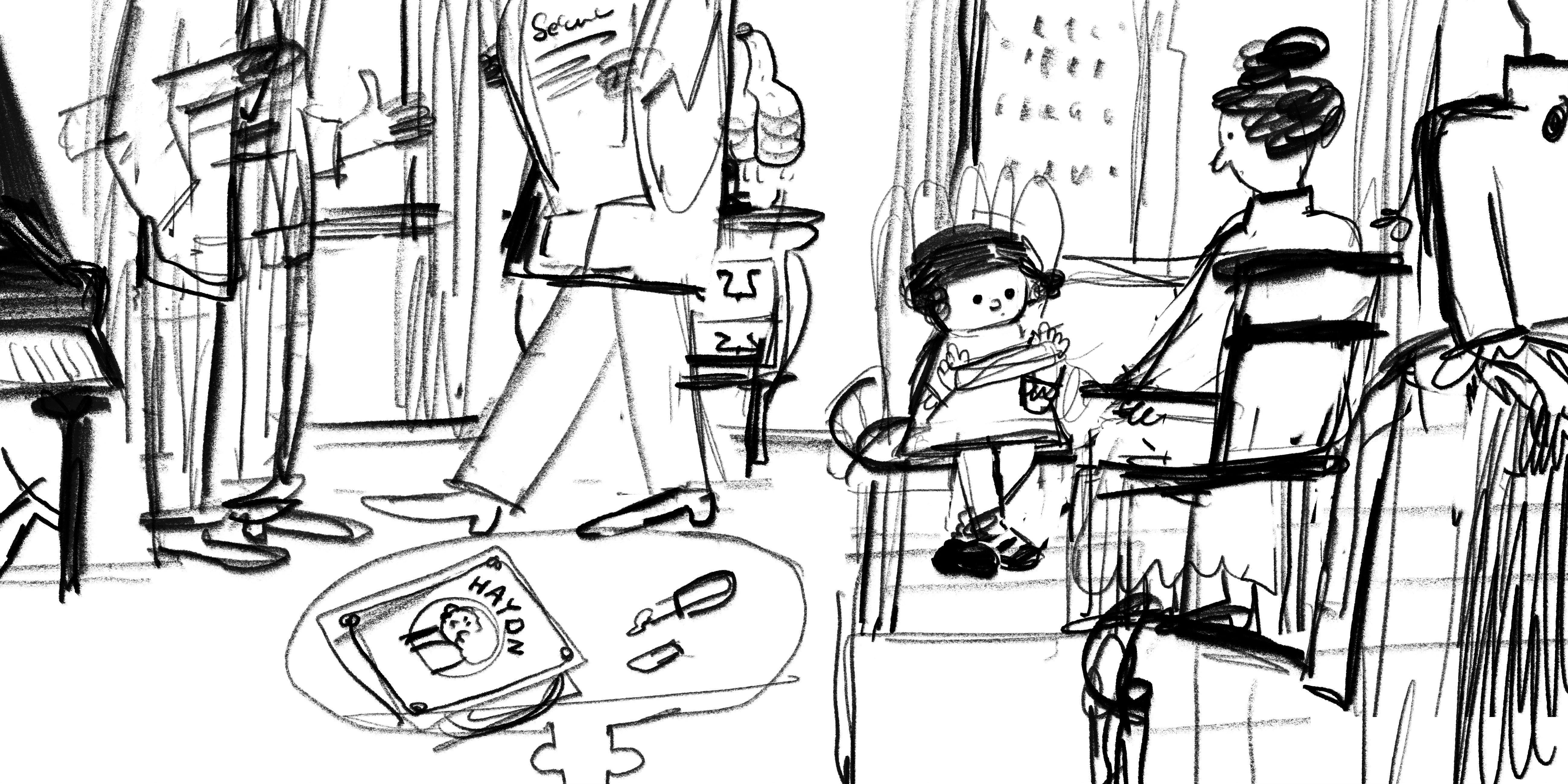
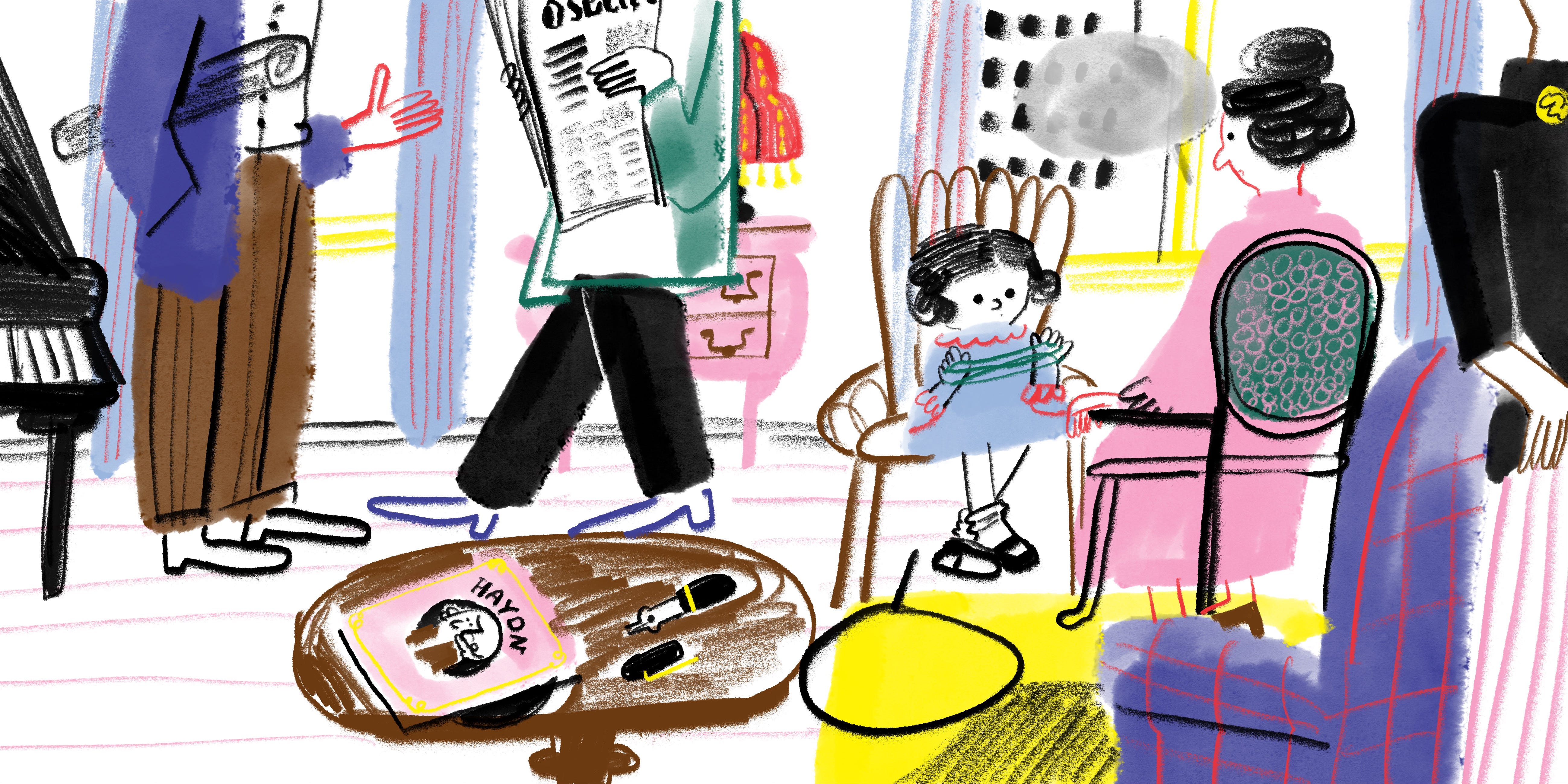
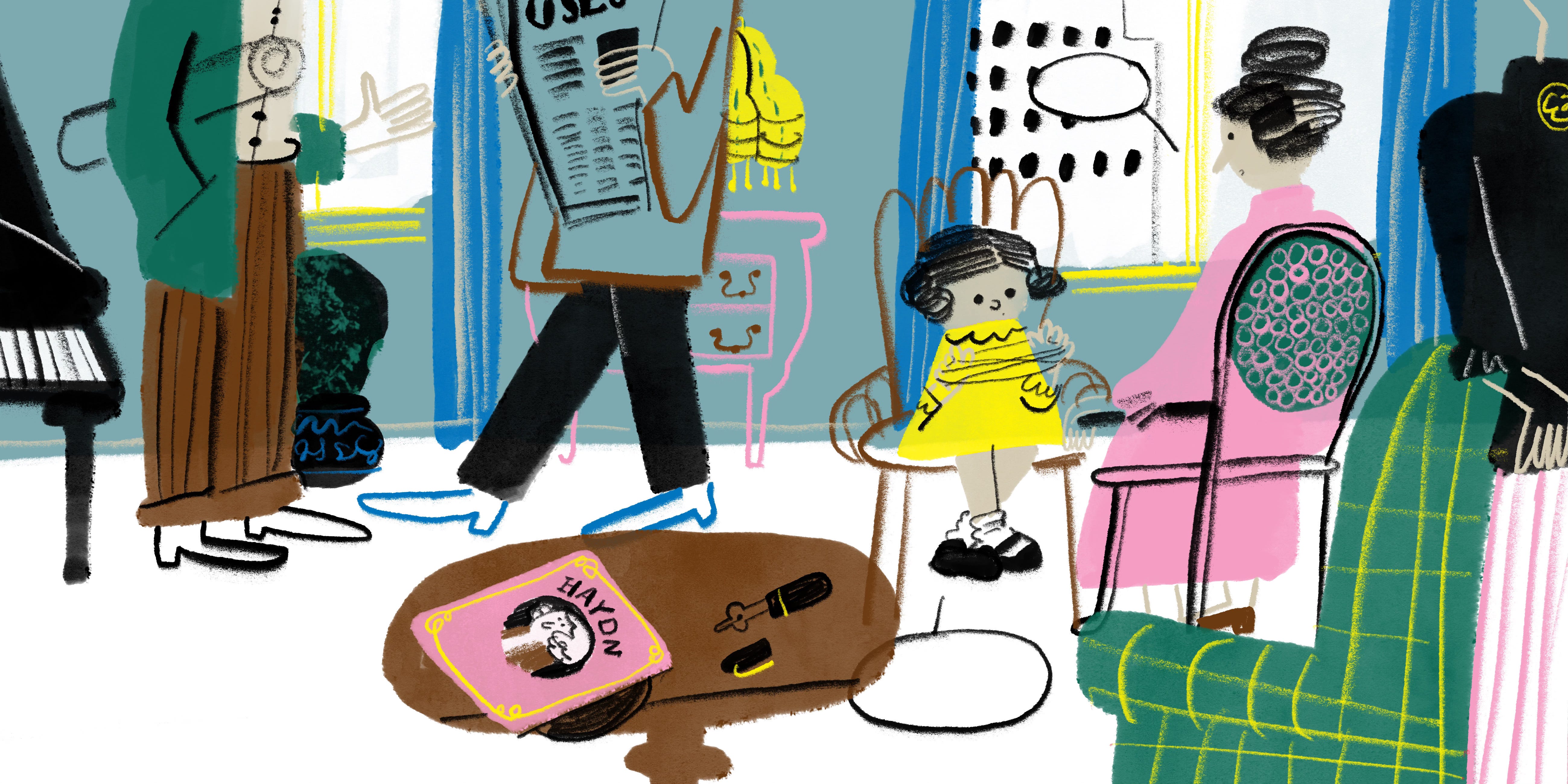
After that, I adjusted the scale, negative space, and colour palette.
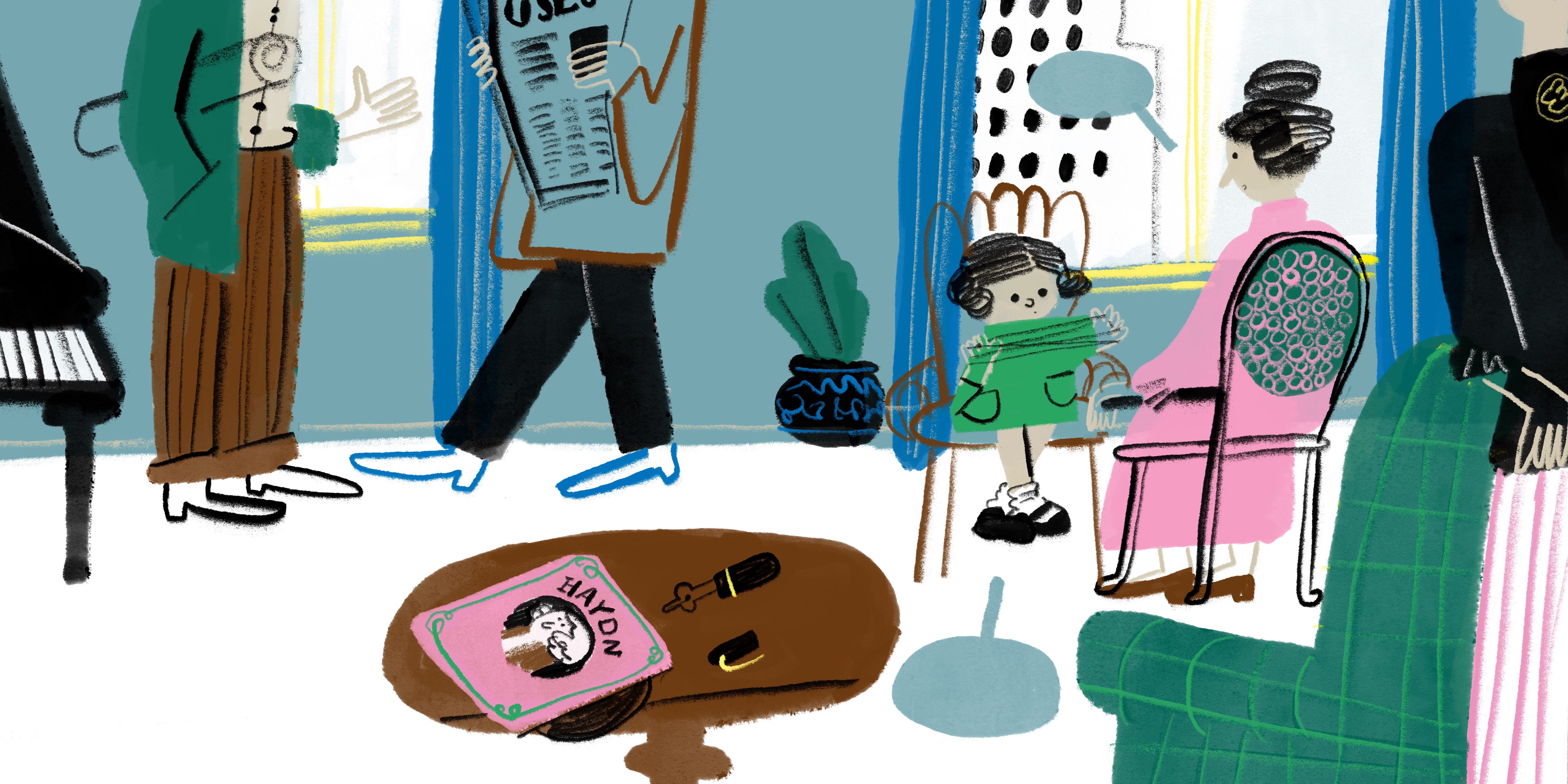
Now I am sketching other pages, sometimes directly in colour, other times with a preliminary black and white drawing.
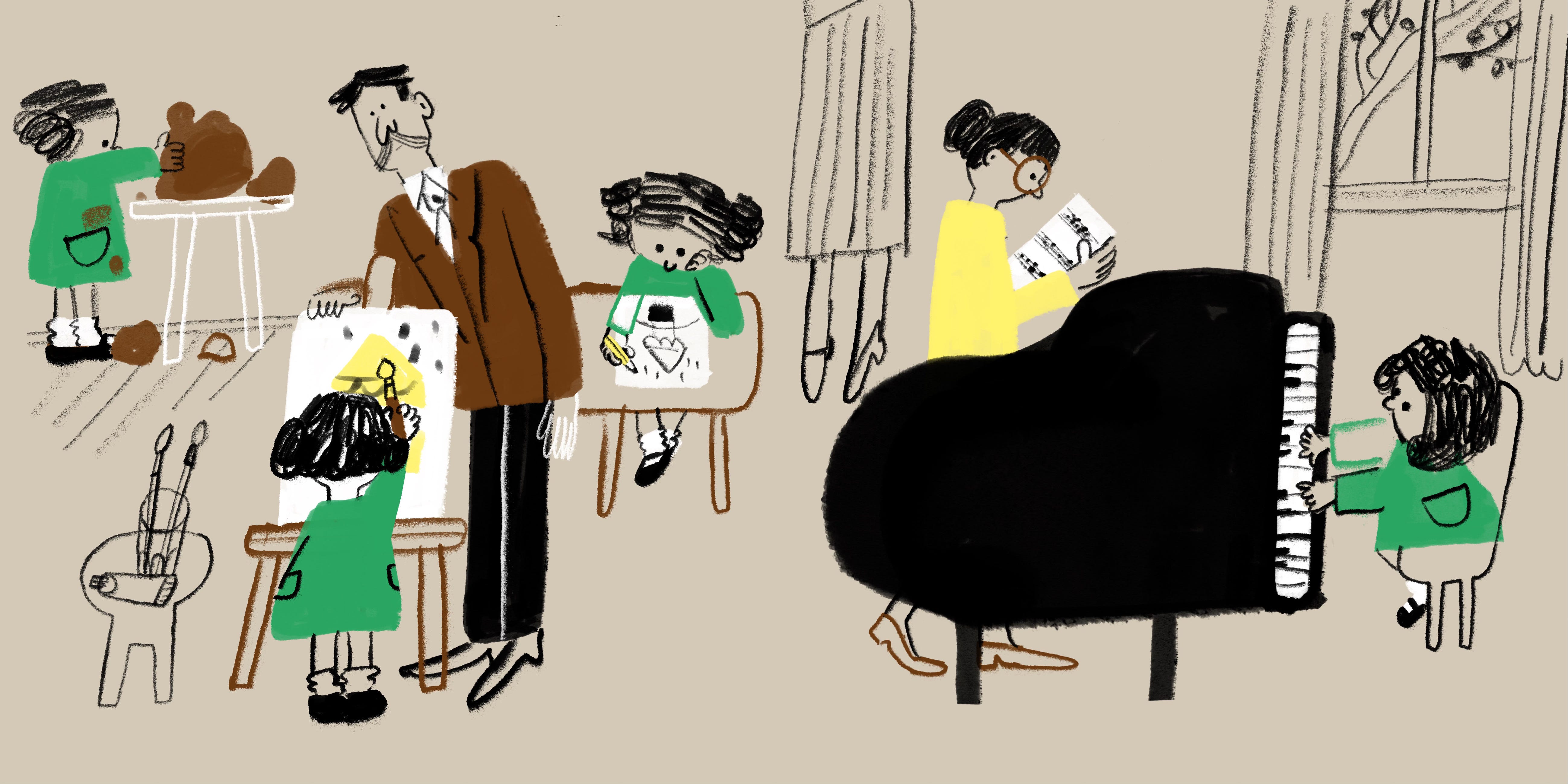
As always in this collection, I draw from visual research on spaces and characters.
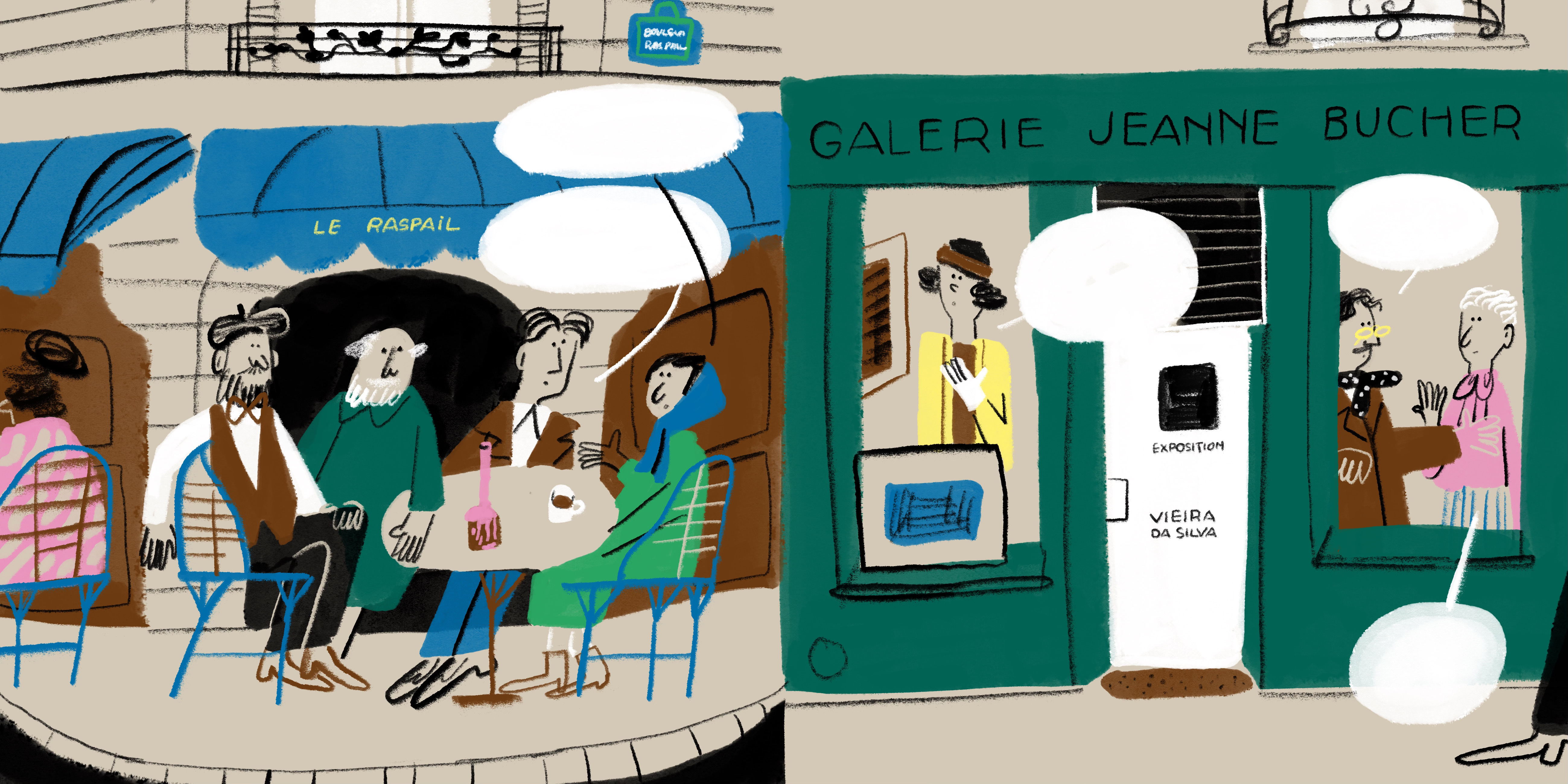
I think the last sentence of the book (in fact, the whole book builds towards that final question) echoes Gramsci’s intention in his writings for L’Ordine Nuovo: I suggest that there is no single way to understand the world. And that is, perhaps, a definition of beauty.
Last week, I took part in a round-table discussion on illustration, where we debated, among other things, AI and what a possible definition of illustration might be. We eventually arrived at this: an art of everyday life (it sounds better in Portuguese, ‘uma arte do quotidiano’). Even when illustrators sell an original work (not the reproduction rights, nor even a multiple) it is usually inexpensive, or at least cheaper than what is conventionally classified as fine art. It is an art for the many.
And yet, I still haven’t resolved the dilemma.
One last note before I finish. Until the 15th, young illustrators can participate in an illustration competition organised by Amnesty International. The theme is human rights and the Constitution, and you can find the rules for entry here. As the right to protest is one of the human rights established in our Constitution, that is what I chose to draw on the poster.
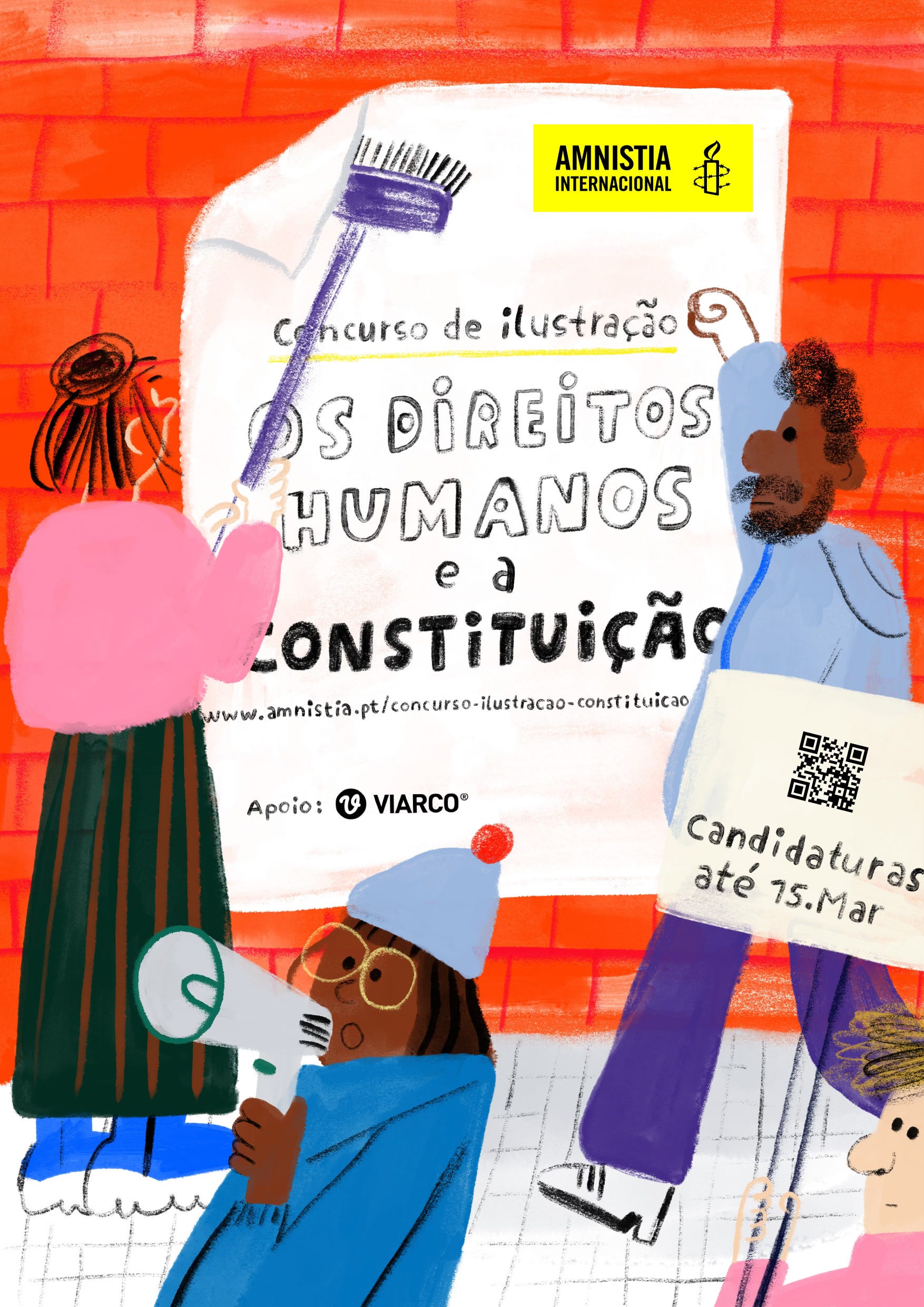
Participate, share, there are prizes! I am part of the jury, along with Jorge Silva, Jaime Ferraz, José Vieira (from Viarco) and Paula Pérez (from Amnesty International). Actually, I am the president of the jury, and this is how I imagine myself saying it:
I’ll write back to you in a month, more or less angry, if the world survives, and with a travelogue post 🇬🇷!