

The Scottish Play
And other superstitions

You cannot wear green, drop the script or whistle on stage. Never say Macbeth inside a theatre, other than during a performance. Injuries (some lethal), burns, suicides and fires were some of the consequences of breaking this superstition. In 1964, when Macbeth was being performed at the D. Maria II National Theatre in Lisbon, a fire destroyed the building. The play has been proscribed ever since (and the theatre only reopened 14 years later). And, of course, you should never wish an artist or technician ‘good luck’.
Theatrical superstitions should be taken seriously. And I have a new one: the title of the play should not have a negative meaning. Or be commonly considered negative.
This newsletter is coming late and will be short because I haven’t had time to exist for the last month and a half. I’ve been working non-stop, at least 12 hours a day, not only because it takes a lot of work to put on a show (and an exhibition), but also because I’ve had so many setbacks, technical problems and team replacements that my time has been further reduced.


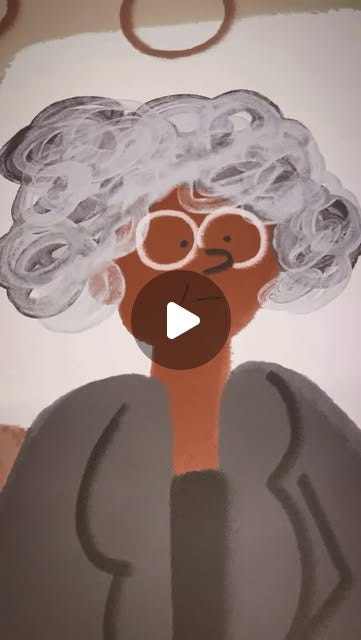
The first big problem was that the set and costume designer disappeared. She stopped responding to my emails, messages and phone calls. Two weeks before rehearsals began, I hired a new set designer, when it was already too late for me to finish my drawings calmly, drawings that depended on the format and dimensions of the set.
And then, less than three weeks before the premiere, I had to replace... the actor! The main performer! After two weeks of rehearsals! Not only did he accept another gig that would be rehearsed during the same weeks as my play, with different schedules (but compromising to schedule new rehearsals), it would also be performed on the same dates, overlapping two performances! At that point, I barely had time to rehearse with someone new, let alone rehearse with a lead actor and a stand-in. And I definitely didn’t have the budget to work with two people. Nor did I have the desire or confidence to continue working with him. So he lost a very well-paid gig and probably many others in the future, because everyone who heard about this story is saying, ‘we’re never working with him again.’
The amount of stress, sleep deprivation, and to-do lists running through my head 24/7 that I have been experiencing is unprecedented. But this play is the best thing I have ever done. Correction: it is the best thing I have ever been a part of. Because, artistically speaking, it’s the most collaborative project I’ve worked on, and I have to praise the team for that.
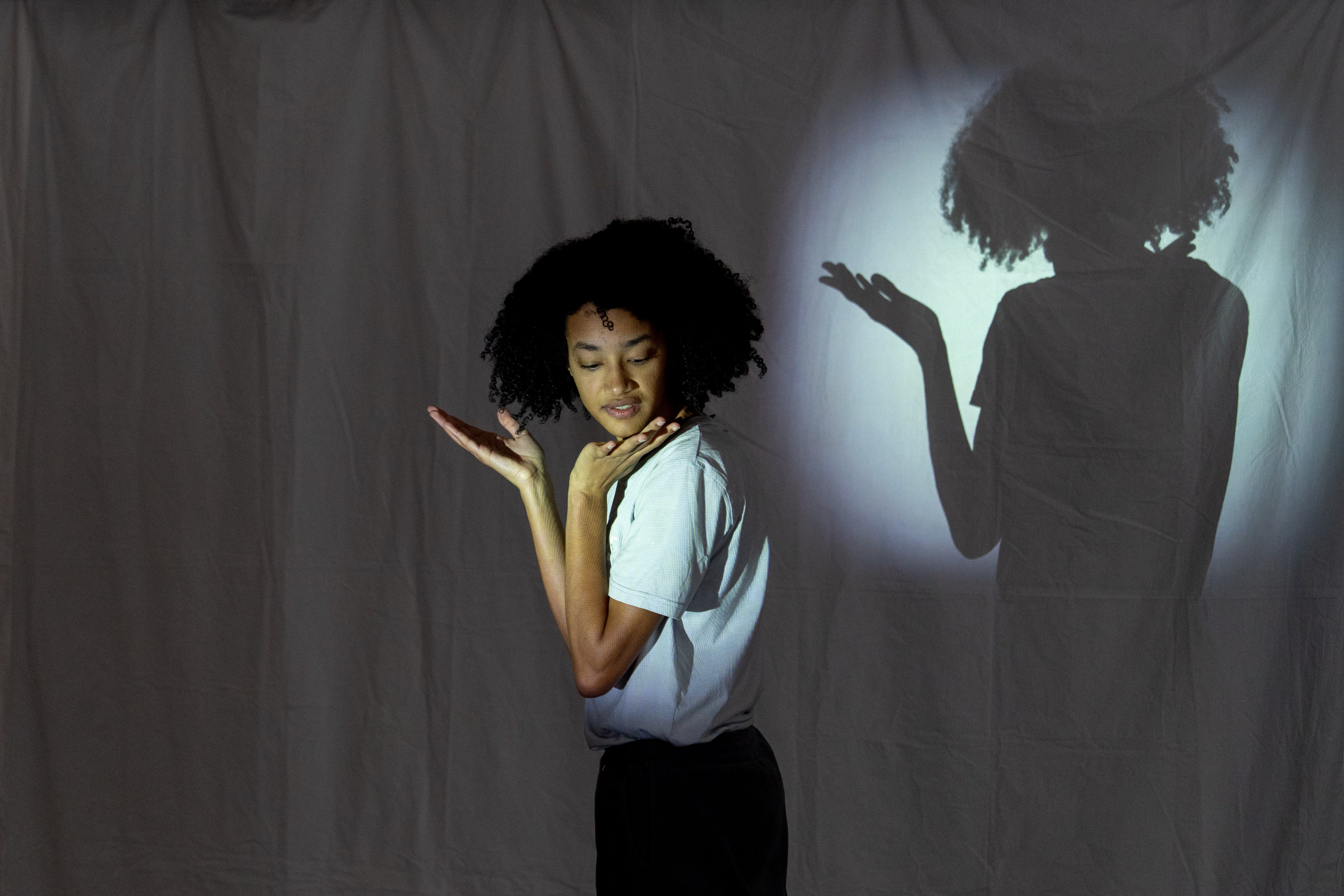
Mar, the new actress, is the most talented, swift, professional, creative, intelligent, funny, and beautiful performer I could have asked for. She saved a sinking ship. In fact, she gently rocked the ship to port (her name means sea in Portuguese). The script became much better, 100 times better, with her ideas and interpretation.
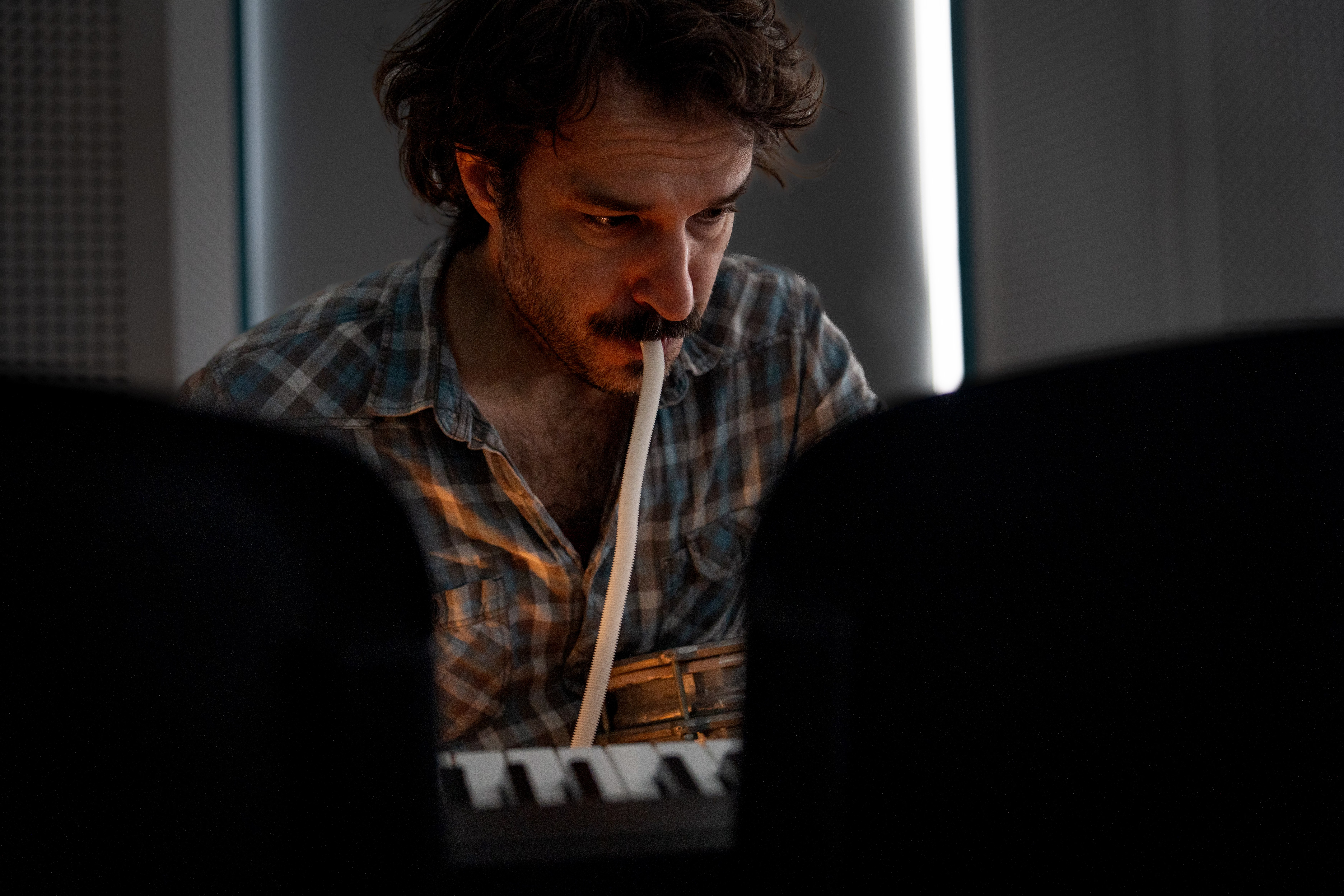
Kent, with whom I have worked on all projects that required music (my two animated films and my first play), can do anything. He can play the piano and percussion at the same time, he can play a saw (!), he can act, write and improvise beautiful pieces of music, with the standard of someone trained in classical music. (And bake me an apple crumble as a gift the day after I almost burst into tears from exhaustion and anxiety.) He plays 11 different instruments on stage, and the play is nothing without his artistry. He is both an anchor and a sailor.
Okay, this is silly, I’ll stop with the nautical metaphors. I know that a theatre looks like a ship, with all the ropes and the fly loft, but that’s also why we can’t whistle on stage, so I’d better stop this nonsense.
Miguel, who is directing the play and who helped me write it, improved the structure, density and rhythm, added humour and different layers to the text, made the story more impactful and logical, and eliminated any traces of potentially moralising ideas. The story grew with his talent, in scope and sensitivity. And it became a theatrical object in its own right.


João, the new set and costume designer, transformed my ideas for the set into something sculptural, poetic and narrative. Her rigour, authorship and attention to detail raised the bar (several times) of what I expected this play to be.
Tasso, the lighting designer, who is probably the most perfectionist in the team, gave depth to the set and solved all the narrative problems with the lighting. There are moments when it is only the light and the music telling the story. Oh, and he came up with the funniest idea for the staging, which I can’t reveal yet.
I feel that, with all their contributions, I am doing serious-grown-up-theatre. But for children. I mean… really professional theatre! Done by people who know what they are doing. Not me, because clearly I don’t know what I’m doing!
I also need to thank Ana, my producer, who has a full-time job and, at the same time, has been helping me with paperwork, legalities, budgeting, emails... and crises! She probably puts in 13-hour days. If it weren’t for her deciding on a strategy, setting up financial scenarios to replace the actor, and sharing my stress, I don’t know how I would have reacted. Plus, she did the most important part of the research, so thank you, love.
Finally, I must thank the theatre’s incredible technical team: Manel, Félix, Tiago, Joana, Miguel, Rita who have been going the extra mile (extra 10 miles!) every day to bring my crazy ideas to life, which I never thought would be so difficult to achieve. And David, from the technicians’ cooperative, the structure that handles all contracts and accounting, who has been answering all my questions and will be operating the sound at Rivoli next month in Oporto.
We premiered today for schools, and the kids loved it. The show is sold out for the nine performances open to the general public (the school performances are also full). The theatre even bought us an extra performance, which is sold out too.*
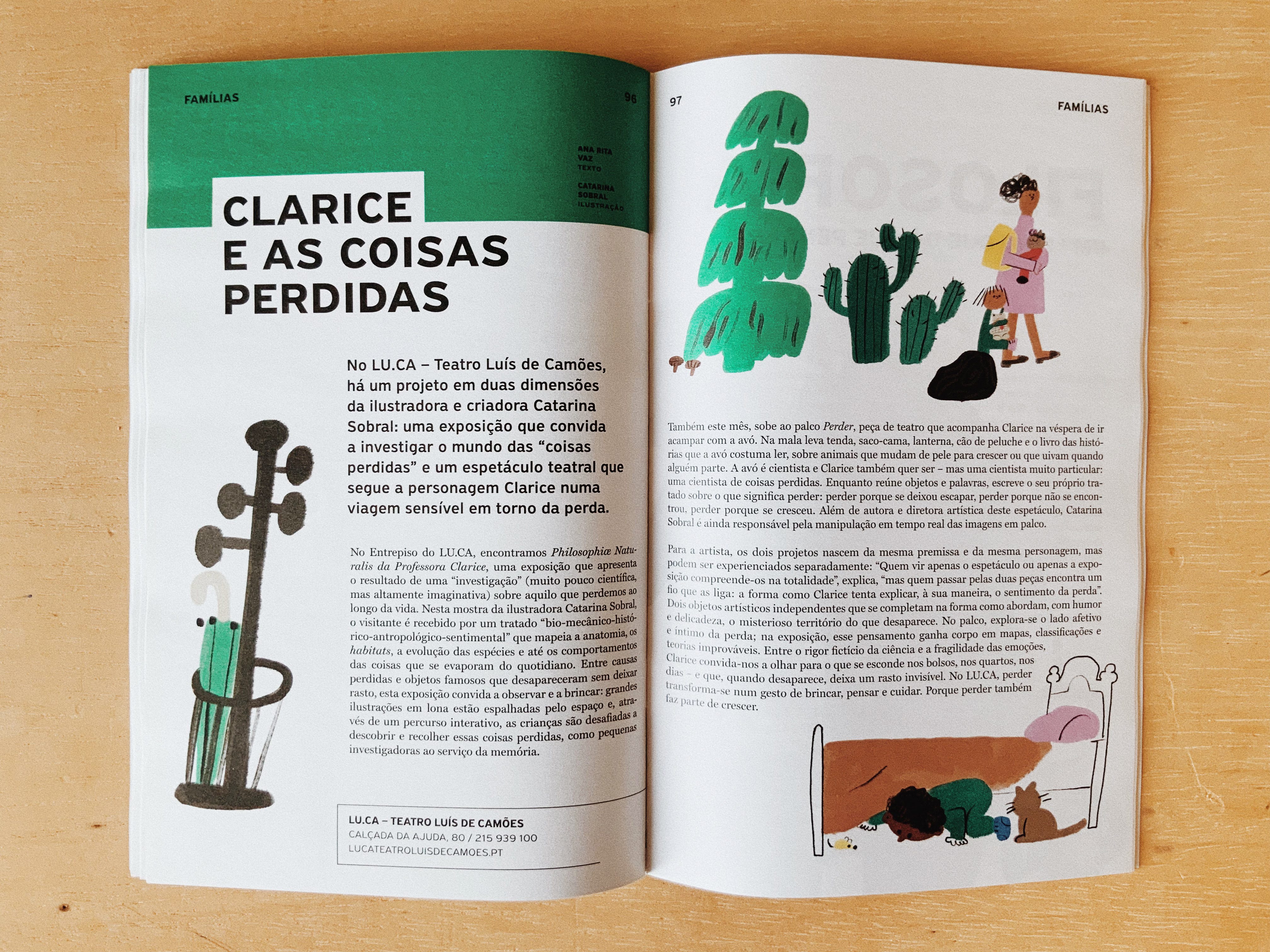
The title of the play is Perder (Losing) and I lost a set designer, an actor (the stage manager also had to be replaced because she broke her foot) and a fair bit of my sanity in the process. But everything turned out much better in the end. A whole lot better! (Except for the stage manager’s heel.) So why do I say that the title shouldn’t be something ‘negative’? Do you know what saved me? In the text, I use an expression stolen from Isol’s book Petit, the Monster: I say that losing is good-bad.
That’s what saved me.
Theatrical superstitions should be taken very seriously.


Ando a pensar muito em como hoje em dia é difícil às vezes encontrar pessoas para trabalhar. Encontrar animadores para o meu filme da Menina foi muito complicado, e dois desapareceram sem perceber bem porquê (os que ficaram pareceram gostar da experiência). Outro dia tentei ter uma reunião com um técnico de luz durante tres semanas, para finalmente ele não aparecer no dia marcado e nunca mais nos contactarmos, sem dizer nada. Deixei-o estar. Talvez haja um esgotamento civilizacional com a própria concepção de ética do trabalho, fazer as coisas bem, cumprir a palavra dada. Parece que tudo está tinderificado, quando há o minimo desconforto faz-se ghosting. Não sei, pode ser impressão minha. Ainda bem que conseguiste resolver tudo, muita merda para o espectáculo!
Is it too late to say Toi Toi Toi!? Sounds like a massive adventure and I'm proud of you even without seeing it (though I wish I could) because I know you gave it your all! Hope you reserved some time to celebrate :) x