

We f****** beat them
Not football. Class war.

At least this battle was won by the working class. After two general strikes, the labour reform pushed through by our right-wing government and its neoliberal allies was defeated by votes from the left and – not entirely surprisingly – the far right. I suppose that, until they come to power (if indeed they ever do), the fascists will, tautologically, follow the fascist playbook. They need the popular vote, so on these issues they will be cautious. Obviously, it will now be even harder to unmask them, but, until then, at least millions of people will not see their working conditions severely worsened and further made precarious.
Celebratory video by @xobasissue featuring the general secretary of Portugal’s largest trade union confederation in tears following the rejection of the labour reform. And a few comrades dancing.
Elsewhere in my labour
My latest book has now been published. And, just like the previous two I wrote for this collection, the Gulbenkian Foundation’s educational service has included it in its programme of performative readings entitled ‘Muito me contas’. The photo below is from Catarina Claro’s performance, based on the life and book about Vieira da Silva.


I’ve lost the photos of the performative adaptation of Paula Rego’s biography, created by Bicho Papelão, because my mobile phone broke and I don’t pay for cloud storage. But on the bright side, the book has now been published in Brazil by Cobogó, and I gave an interview about it to the literary magazine Quatro Cinco Um. I’ll translate my two favourite questions here:
What challenges did you encounter in turning her life into a children’s book?
First, there was the challenge of translation, which I mentioned earlier. My job is to identify what is essential in an artist’s life and ideas, and to find a clear, familiar narrative device that allows children to understand them and relate them to their own everyday lives. Then there is the relationship with reality and the visual documentation. As far as possible, I try to depict real settings and remain faithful, without abandoning my own visual language, in the way I represent both the artworks and the people. Finally, there is the challenge of giving a non-fiction story the same essence of children's narrative fiction: the task of trying to discover what it means to inhabit this world.
What does Paula Rego’s childhood, spent under a dictatorship, tell children growing up today in democratic societies?
I hope it serves as a reminder of how contingent freedom is. Our societies are not entirely democratic either, far from it. It is important for children to understand that there are forms of oppression that have been accepted at every point in history. And so, too, in the present day. But that, fortunately, there are voices that resist them, and we can be one of them.
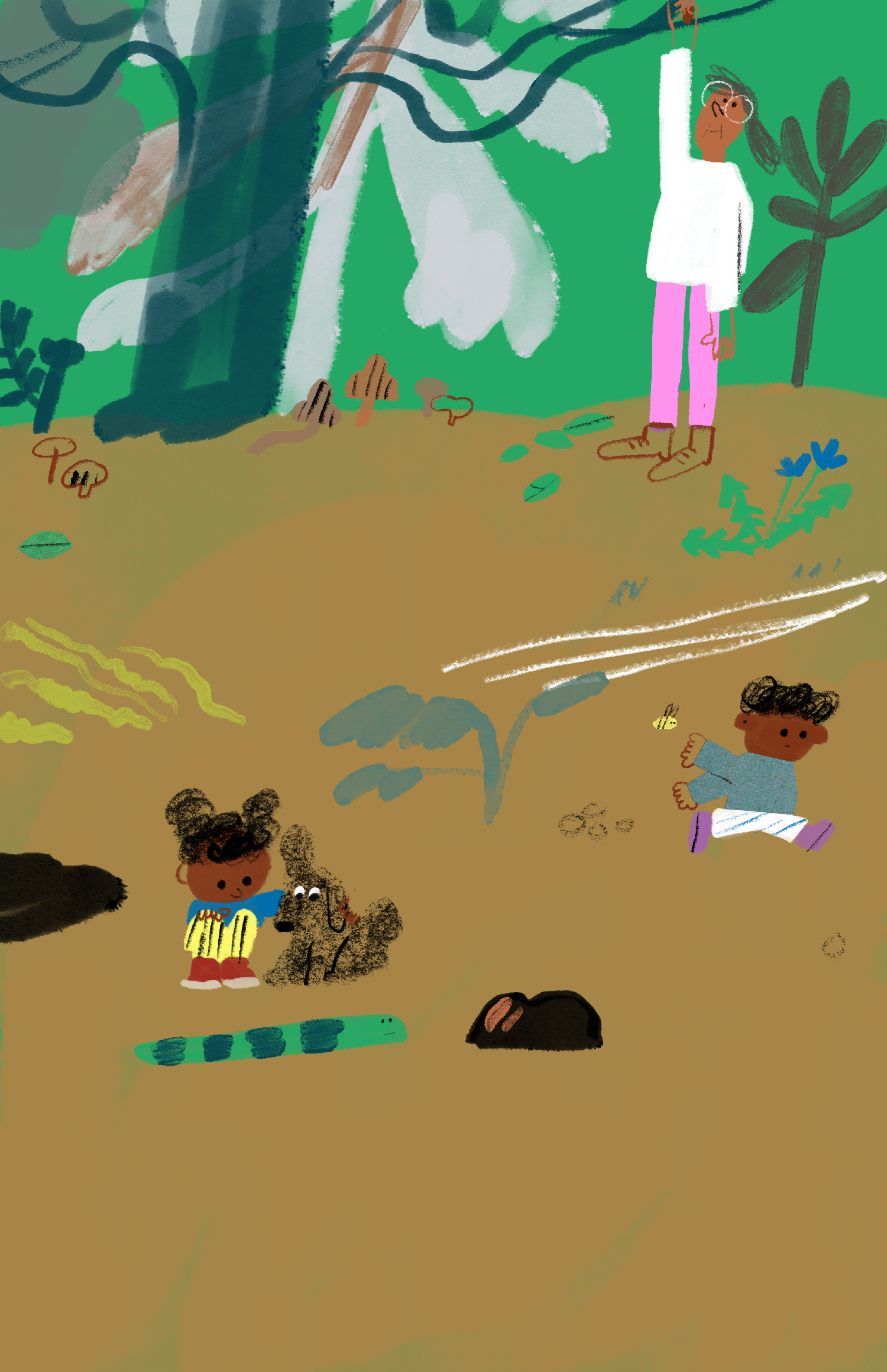
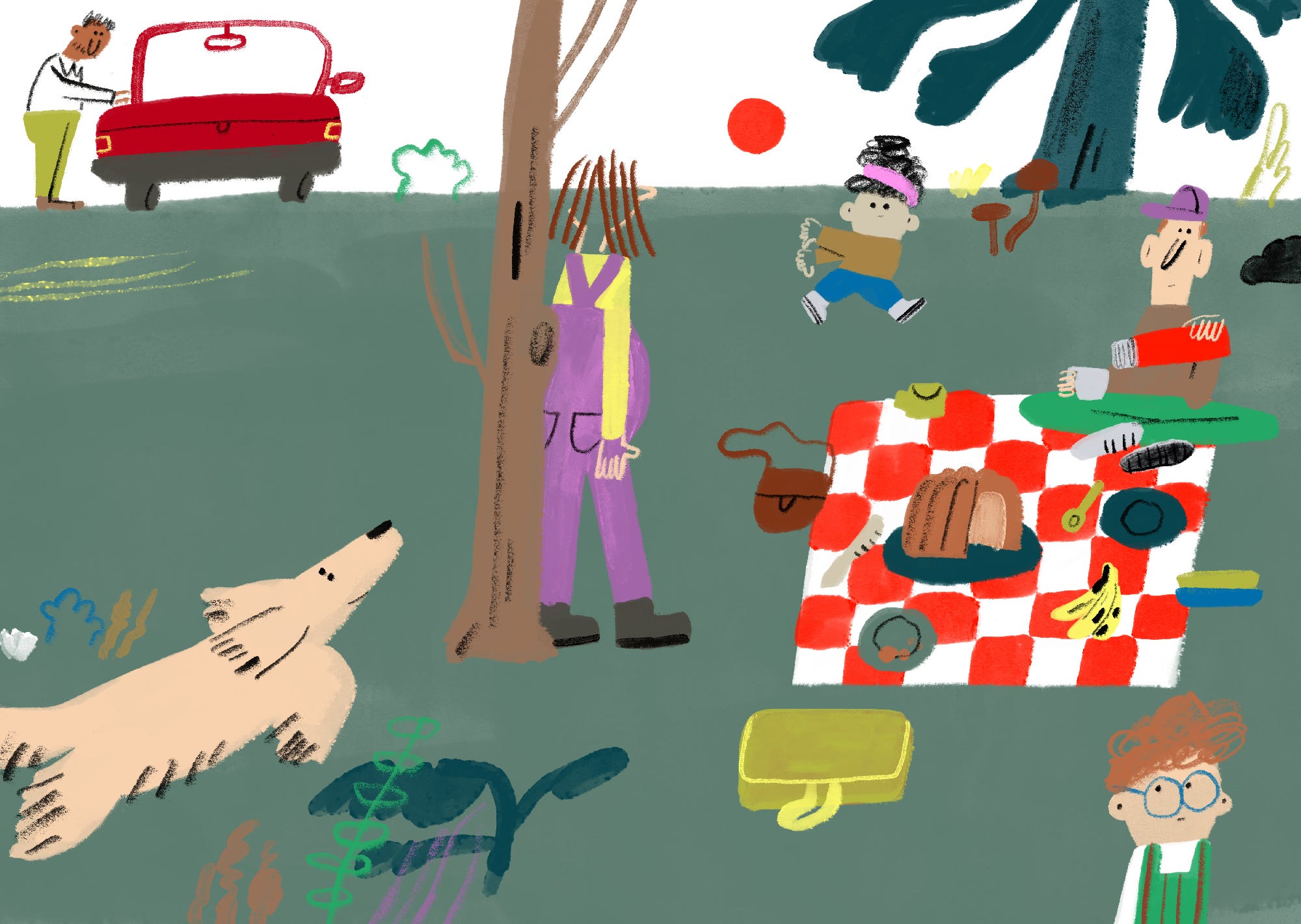
One book has already been published, whilst others are taking shape. I am continuing to work on two new picture books which will be published later this year. For the time being, these are just colour sketches, nothing is definitive yet:
Tales from elsewhere
Today’s letter will be a bit shorter. I’m just going to share a recommendation, a clip and another piece of flash fiction (this time in Portuguese and English).
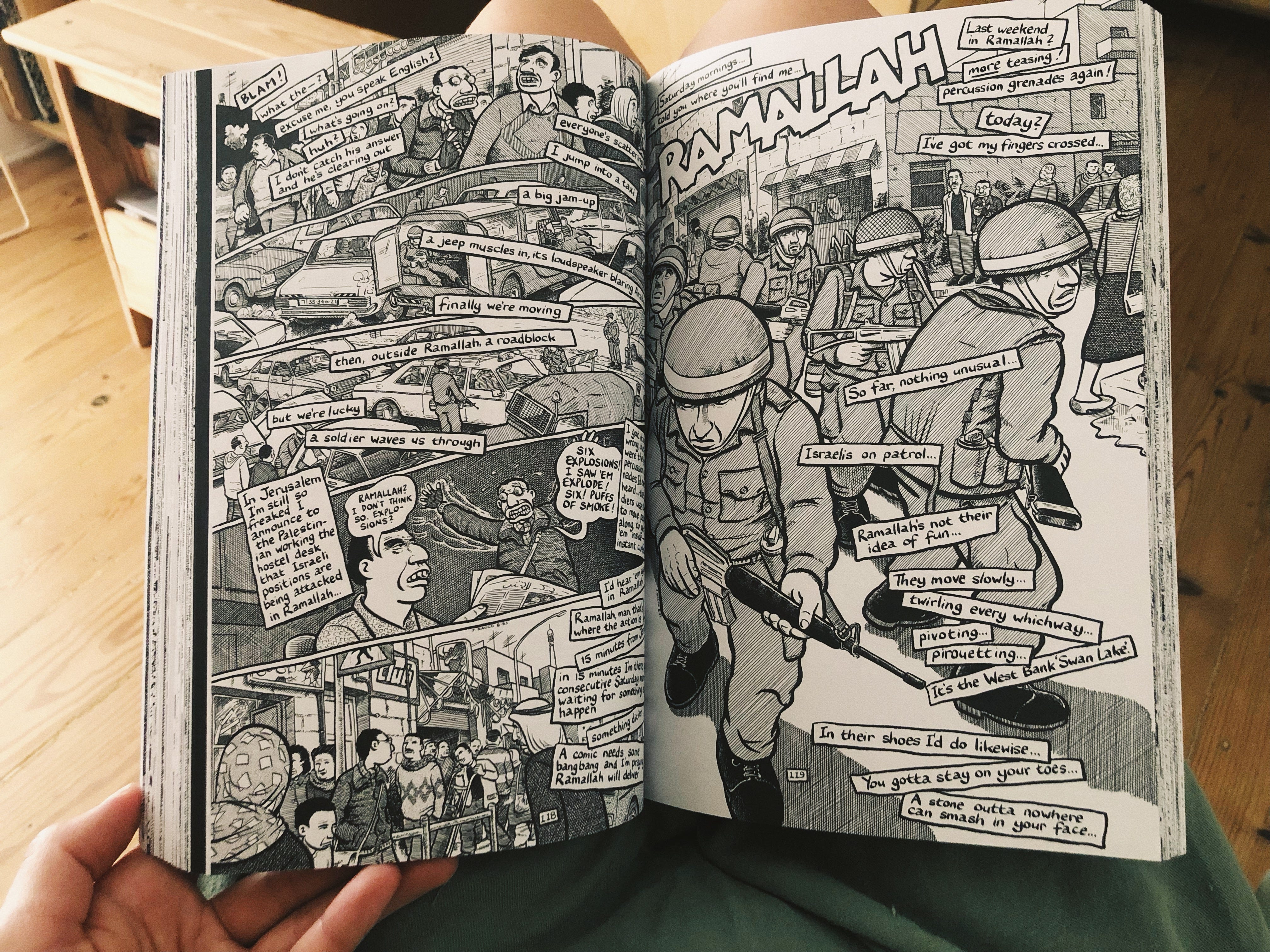
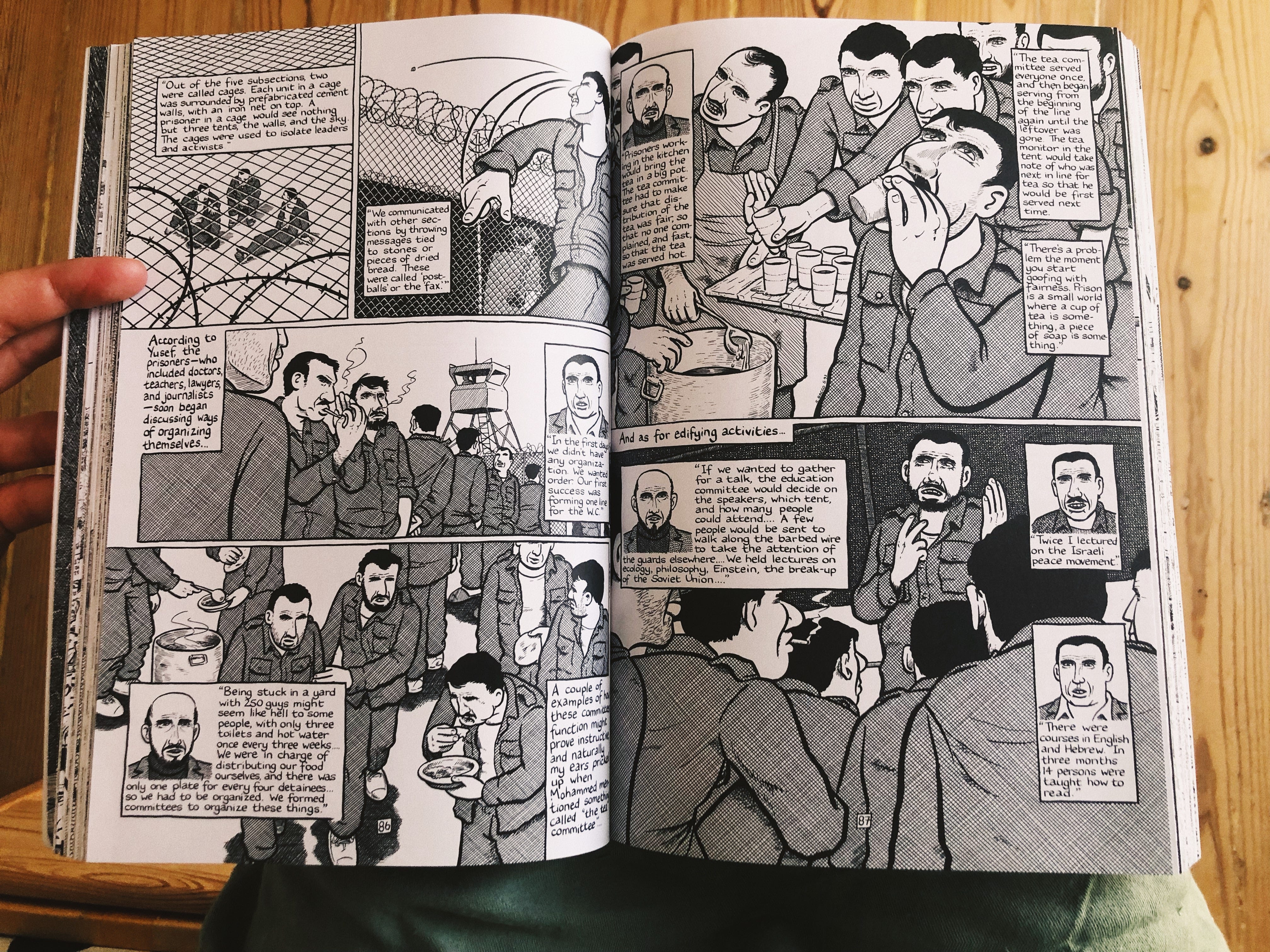
I’ve taken a break from reading three dense books, Edward Said’s Orientalism, Guy Debord’s Society of the Spectacle and Judith Butler’s Gender Trouble (which I’m not sure I’ll ever manage to finish), to read a graphic novel: Joe Sacco’s Palestine. In the scorching heat of Lisbon, it feels strange to read that all Palestinian rooms are freezing cold (Sacco visited Palestine to create this comic in the winter of 91/92, during the ‘peace process’, when the First Intifada was beginning to subside). But it isn’t strange to read that every room is abundant with tea, generosity, and tales of woe. It is a masterpiece, at once funny and harrowing, filled with irony and solidarity. An account of what Gaza was like before 2005 and a yardstick against which to measure how the occupation has worsened over the last few decades (which hardly seems possible after so manifold stories of suffering).
I recorded a video at an arraial (a traditional June street party) I went to last month, which I was planning to share here. But I lost it when my phone broke, so this one by Divergente, who organised the event, will have to do instead. It captures the moment when Lila, from Fado Bicha, standing on the DJ booth, dances sensually to Kate Bush’s Wuthering Heights beneath a Palestinian flag. You’ll just have to imagine the flag, the strings of bunting, and the crowd gathered around her:
Dance, read, fight and celebrate. Make the most of the summer (or escape it). Root for Egypt. And never, under any circumstances, forget to floss.
Lei dos grandes números
Quanto mais vezes se viam mais assuntos em comum descobriam partilhar. E quanto mais assuntos tinham em comum mais vontade tinham de falar um com o outro e mais vezes se atropelavam na conversa. E quanto mais se interrompiam, mais depressa falavam e mais vezes queriam estar juntos, para poder continuar a discussão nos pontos onde tinham deixado coisas por dizer. Então, viam-se mais vezes, tinham ainda mais assuntos para falar e gostavam um do outro, cada vez mais.
Por outro lado, de cada vez que se viam, iam reparando em mais defeitos de personalidade. Por exemplo: não deixavam o interlocutor concluir as ideias numa conversa e interrompiam-no por sistema. E de cada vez que o faziam, esse defeito tornava-se mais evidente e irritante. Como se viam cada vez mais, por sentirem que gostavam muito um do outro, também se irritavam com maior frequência. Então, quanto mais gostavam um do outro menos gostavam um do outro.
The law of large numbers
The more often they met, the more they discovered they had in common. And the more they had in common, the more they wanted to talk to each other, and the more often they talked over one another. The more they interrupted each other, the faster they spoke, and the more they wanted to be together, so they could pick up the conversation where they had left things unsaid. So they met more often, found even more to talk about, and grew fonder and fonder of each other.
On the other hand, each time they met, they also noticed more flaws in each other’s character. For instance, neither of them would let the other finish a thought before interrupting. And every time it happened, that flaw became more obvious, and more irritating. Because they kept seeing each other more and more, certain they were so fond of each other, they also grew irritated more and more often. So the more they liked each other, the less they liked each other.