

Work and its opposite
Not holidays. But also holidays.
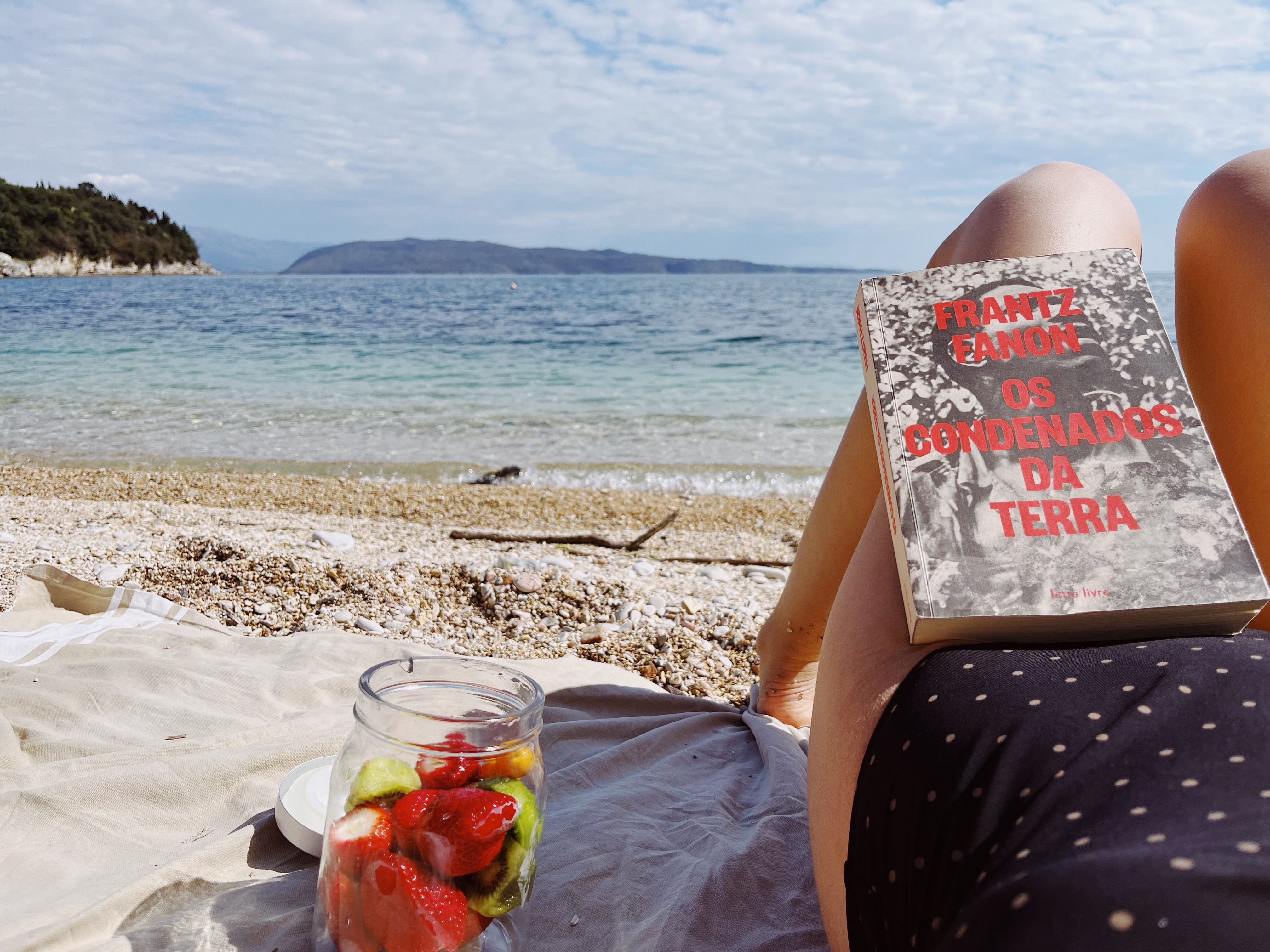
In The Wretched of the Earth, Fanon describes some experiments carried out during the Algerian Revolution in the liberated regions. One of these was the socialisation of land: it was ruled that nobody would work for anyone else, that the land belonged to those who worked it, so the peasants who employed agricultural labourers were obliged to distribute land shares to their former employees. The yield per acre tripled, ‘despite numerous raids and aerial bombardments by the French. […] [The labourers] very quickly realized that work is not a simple notion, that slavery is the opposite of work, and that work presupposes freedom, responsibility, and consciousness. […] the peasant clearly grasped the principle whereby the clearer the commitment, the better one works. We were able to convey to the masses that work is not a physical exercise or the working of certain muscles, but that one works more with one’s brain and one’s heart than with muscles and sweat.’ [italics mine]
It’s a very revolutionary concept of work, for all of us wage labourers. I don’t know how much my work is worth; I don’t think any of us do, in a capitalist society. Nevertheless, I’m acutely aware of my privilege in this matter: I can choose the projects I work on and I’m the author of most of them, so I can decide what I want to write about. They say that if we love what we do, we won’t have to work a single day in our lives. Well, I dispute that. Not if we use Fanon’s concept of work, which, to me, is in fact a very simple notion. And a just one. Work should always be something done with heart, freedom and commitment.
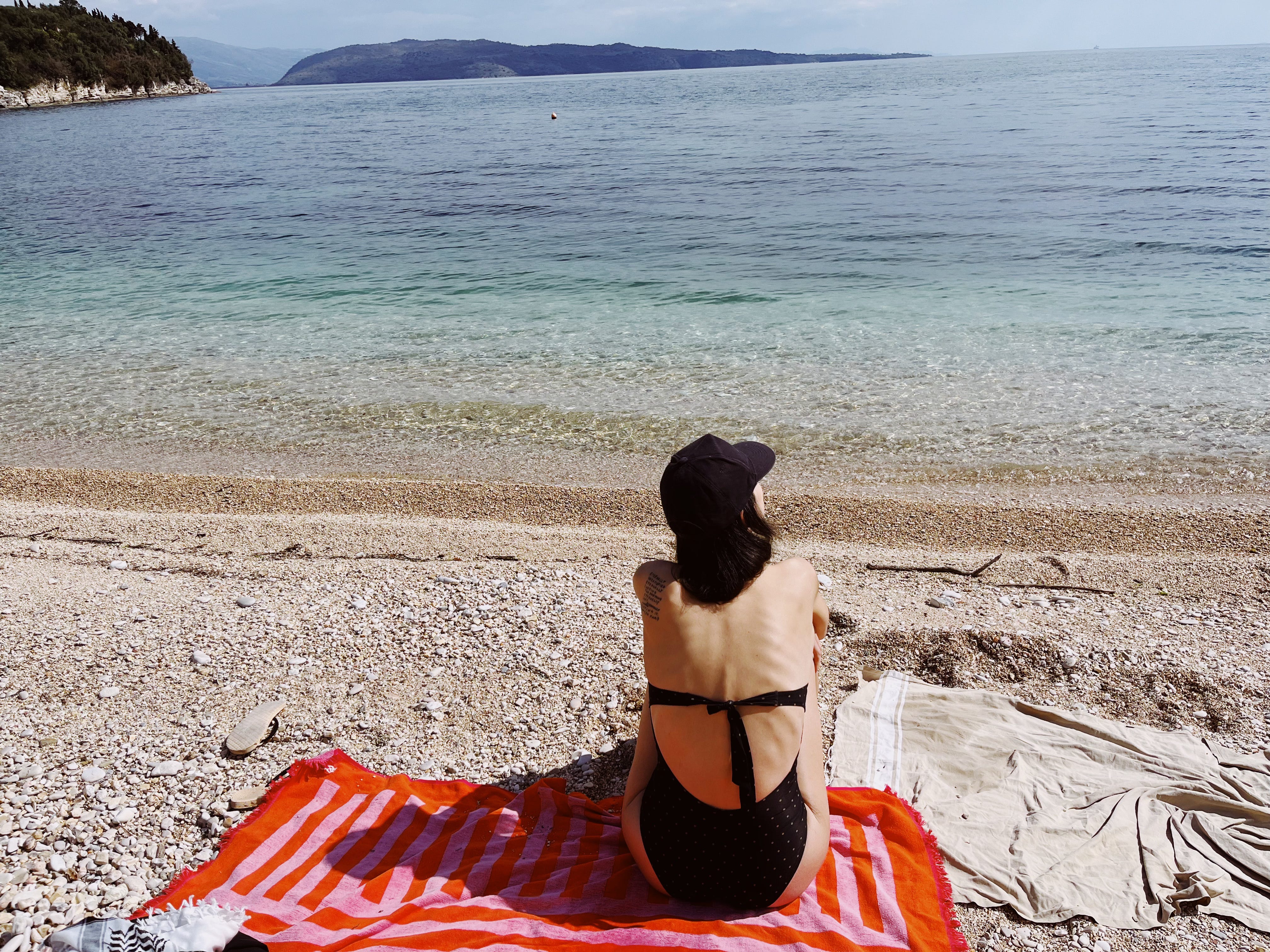
Which doesn’t mean we don’t need to rest on a Greek island once in a while. I’ll share some more photos from my holidays (the other opposite of work) below, but first, here’s what I’ve been working on (with great freedom):
Not the opposite
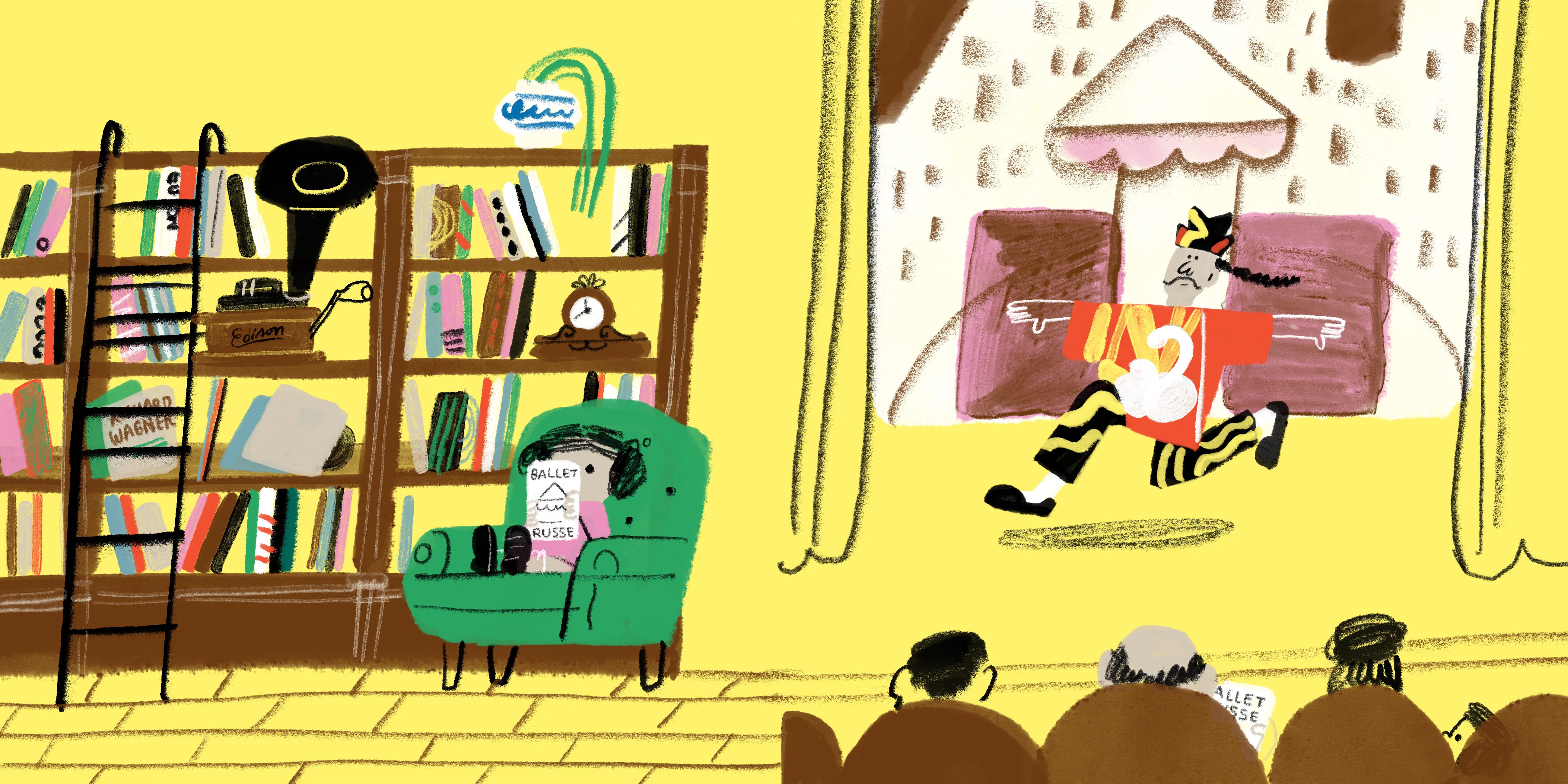
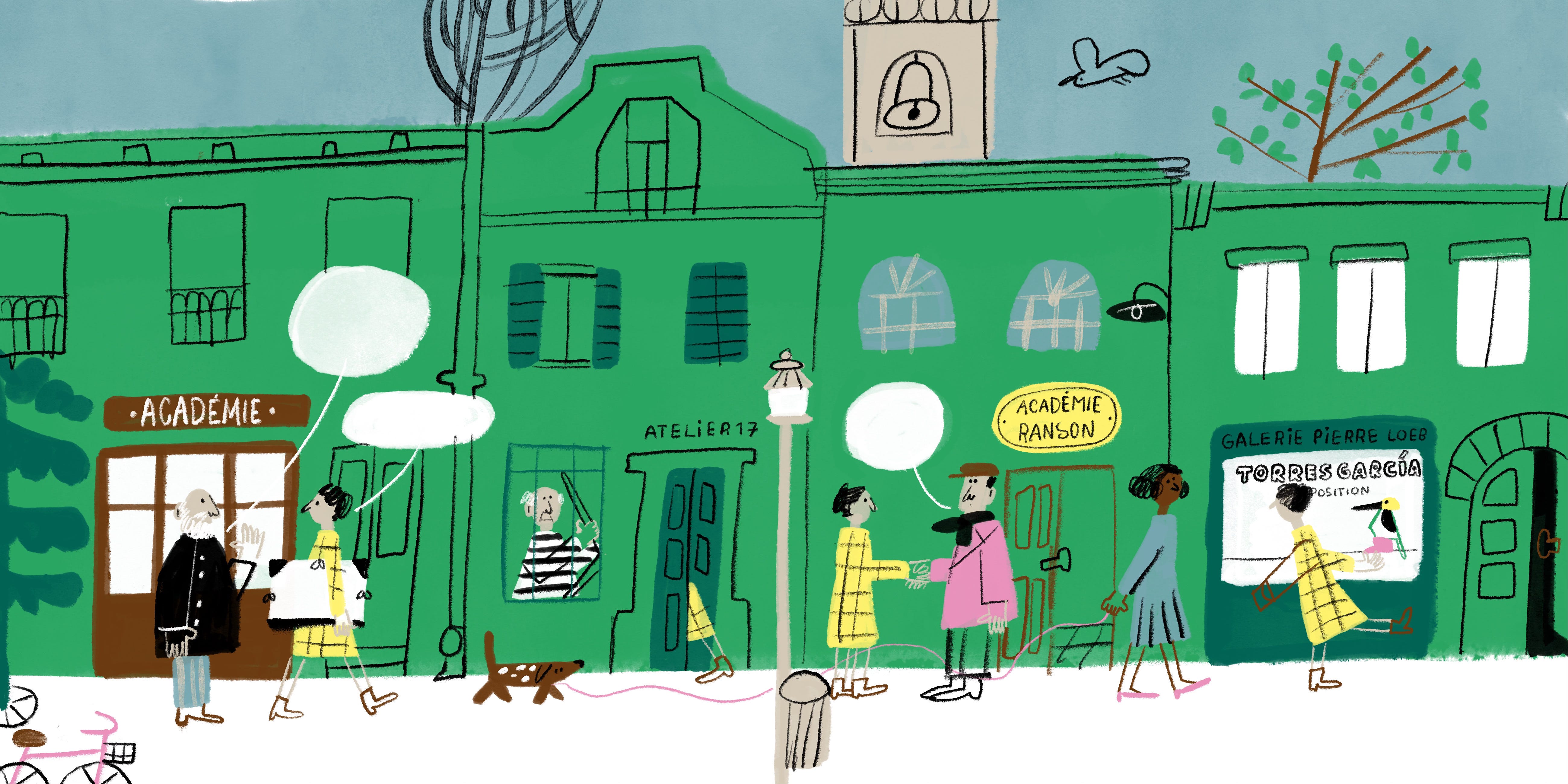
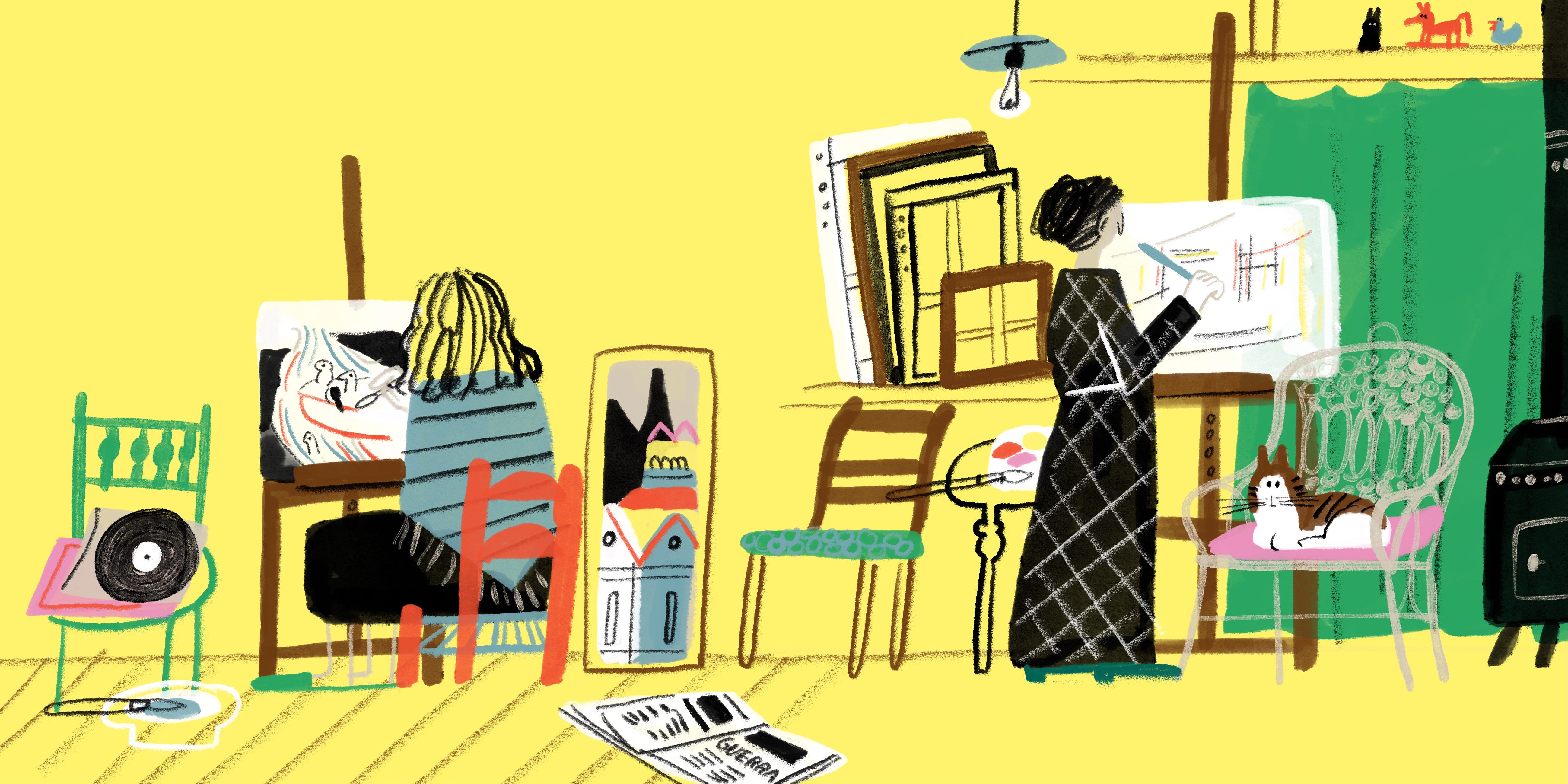
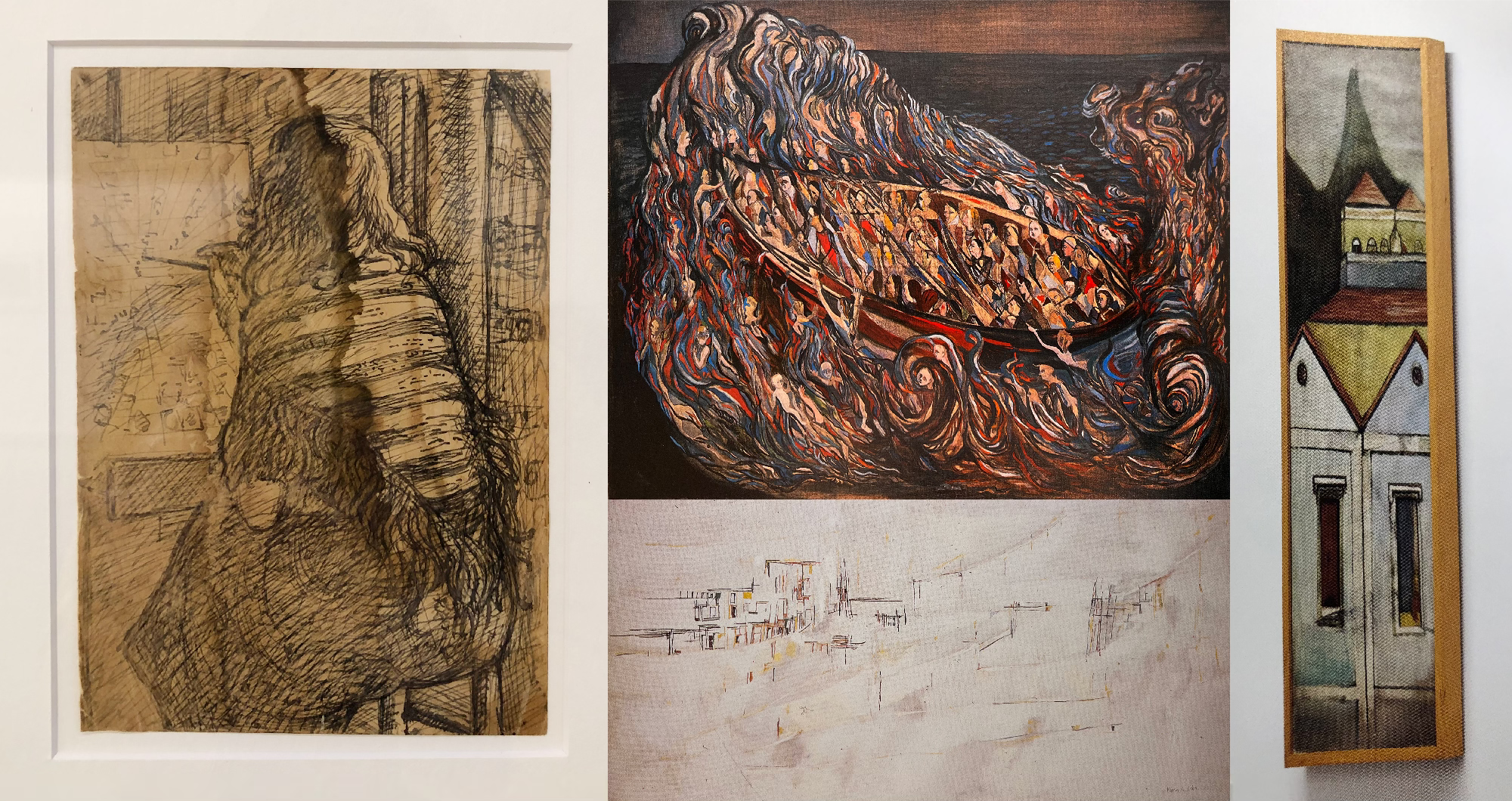
These sketches are from my next book, a biography of Vieira da Silva for children.
Did you know there’s a crater on Mercury named after her? Obviously, I had to include that in the book. These first two sketches share a secret: the artist who designed the costumes for the Ballets Russes’ Parade (on the recto of the first sketch) is the same artist printing an engraving at Atelier 17 (on the verso of the second sketch). Can you guess who he is?
(And that’s another great part of my job: I’m always learning new things.)
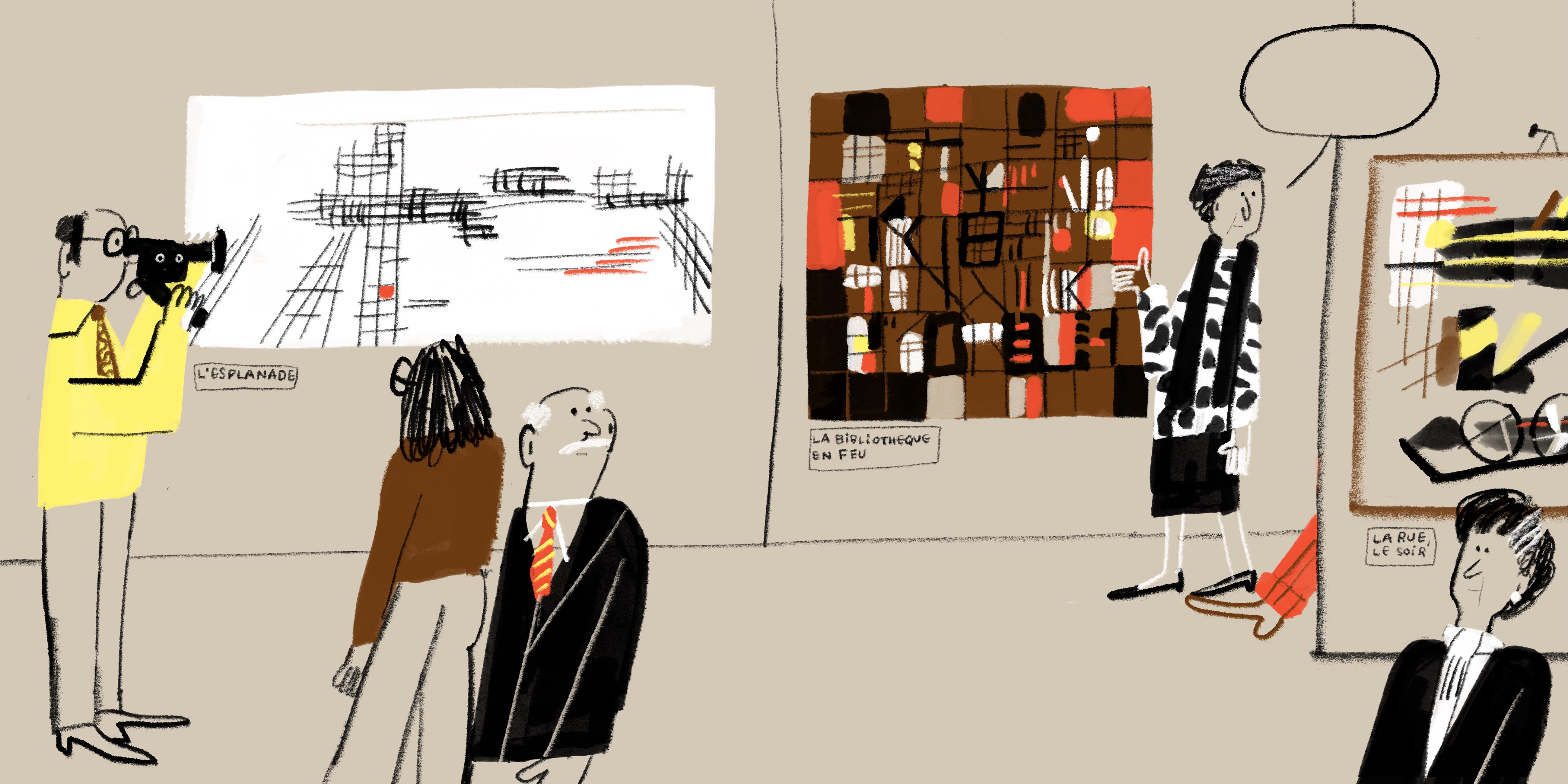
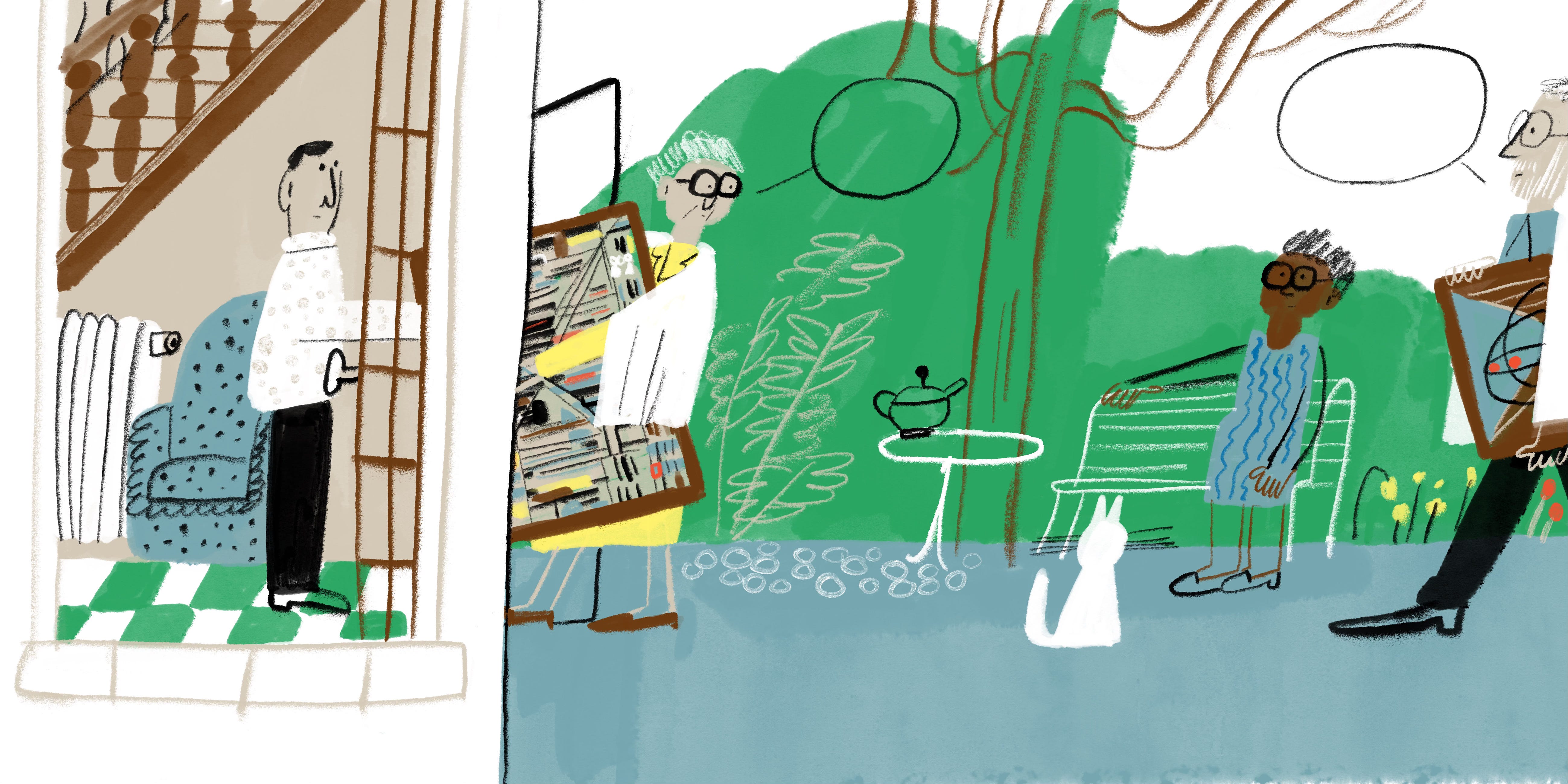
I also illustrated (a few months ago, but they’ve only just been printed now) gift boxes for a children’s clothing brand. I’m not proud of having worked for a children’s clothing brand, no. We already have enough clothes on the planet to last six generations. But they had this concept, ‘rising together’, which I thought was salvageable; I felt I could turn it into a narrative about collective power.


Books that have also just been printed:
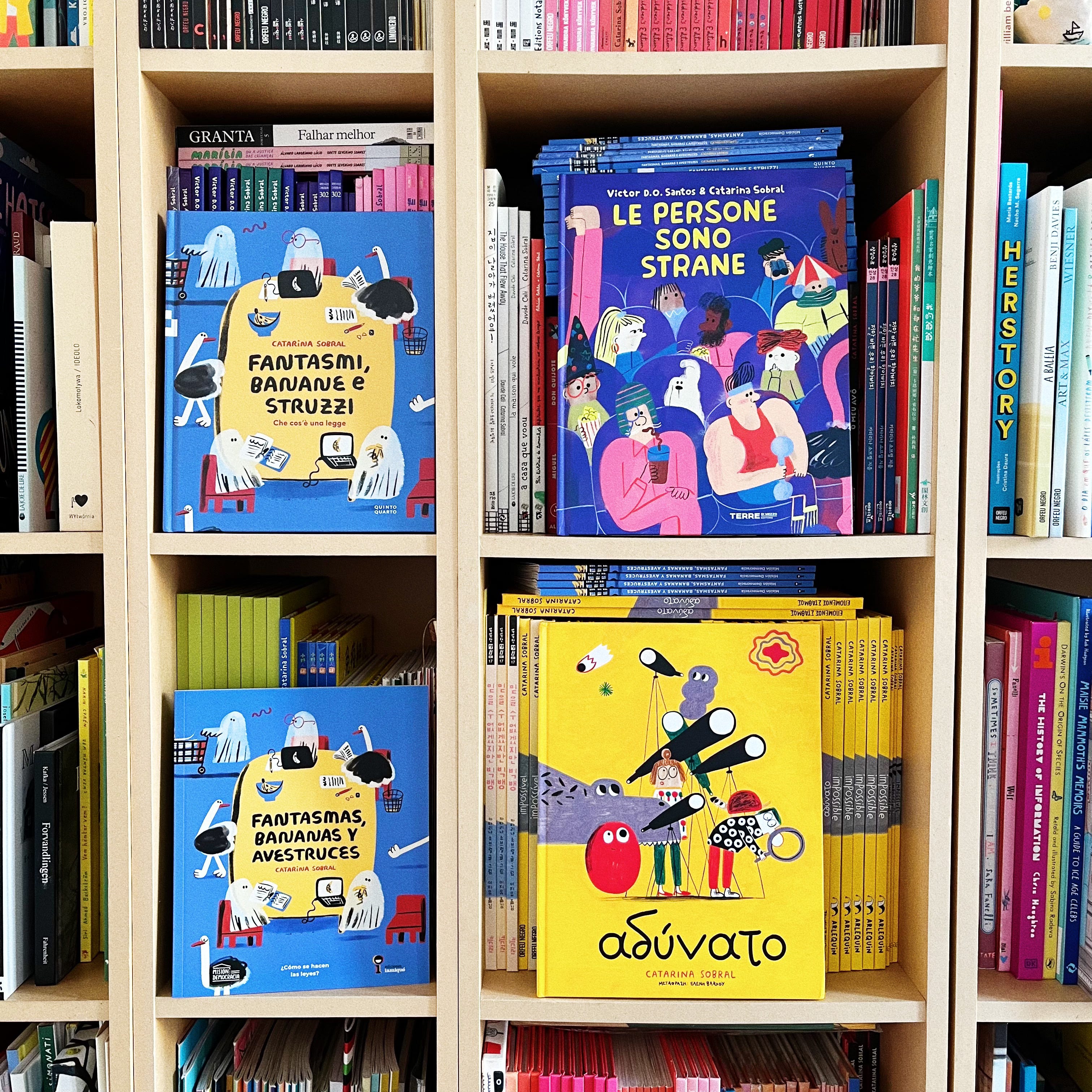
People Are Weird has once again been chosen for the dPICTUS 100 Outstanding Picturebooks selection. There will be a showcase of these titles at the Bologna Children's Book Fair, which I won’t be attending this year. Instead, I’ll be in Barcelona, promoting the Catalan edition of the book, published by La Topera. I’ll be having an exhibition and a workshop at El Diluvio Universal on 11 April at 11am, and another workshop at La Pepita on the same day at 6pm. If you’re around, stop by!
One opposite
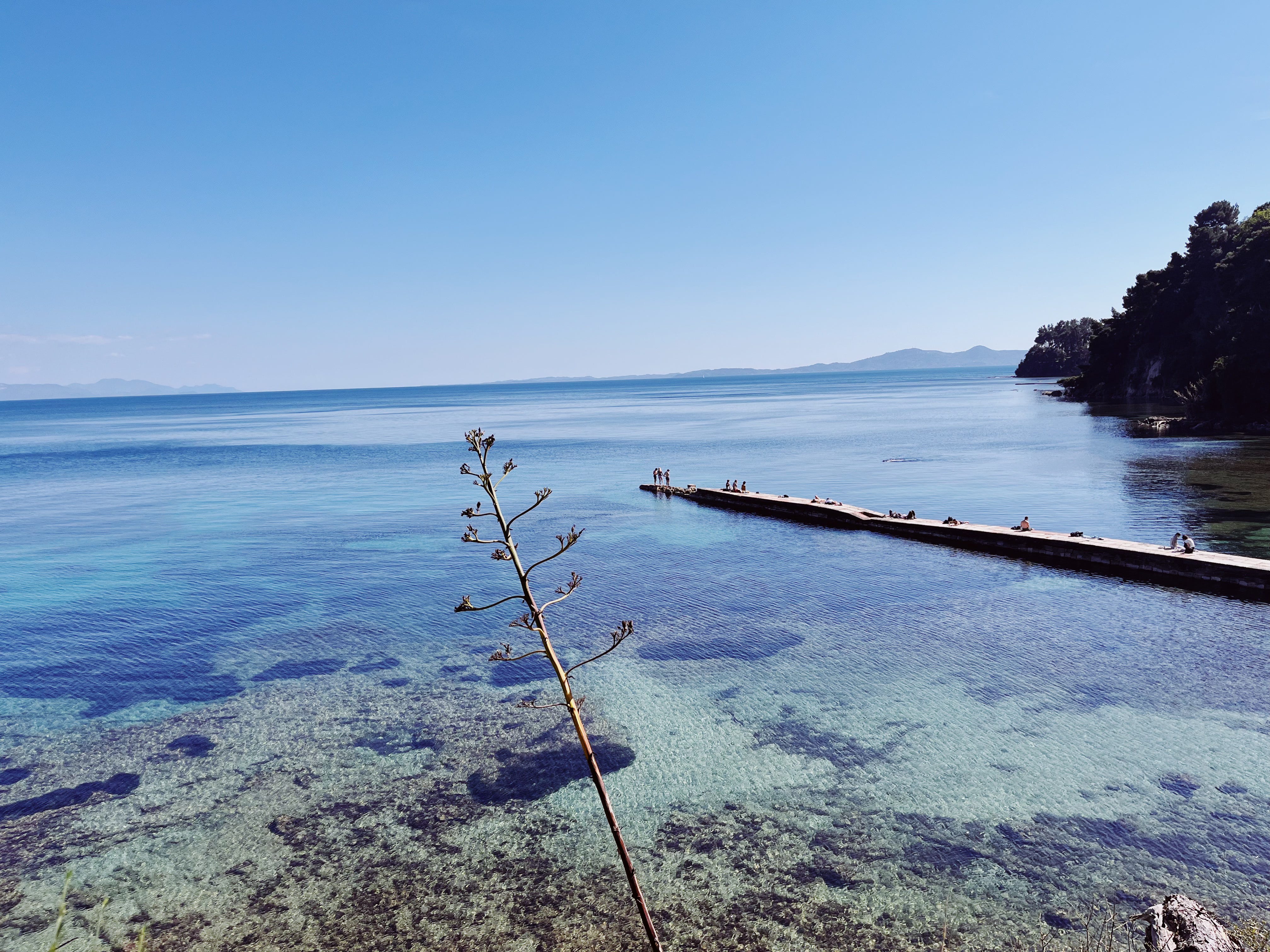
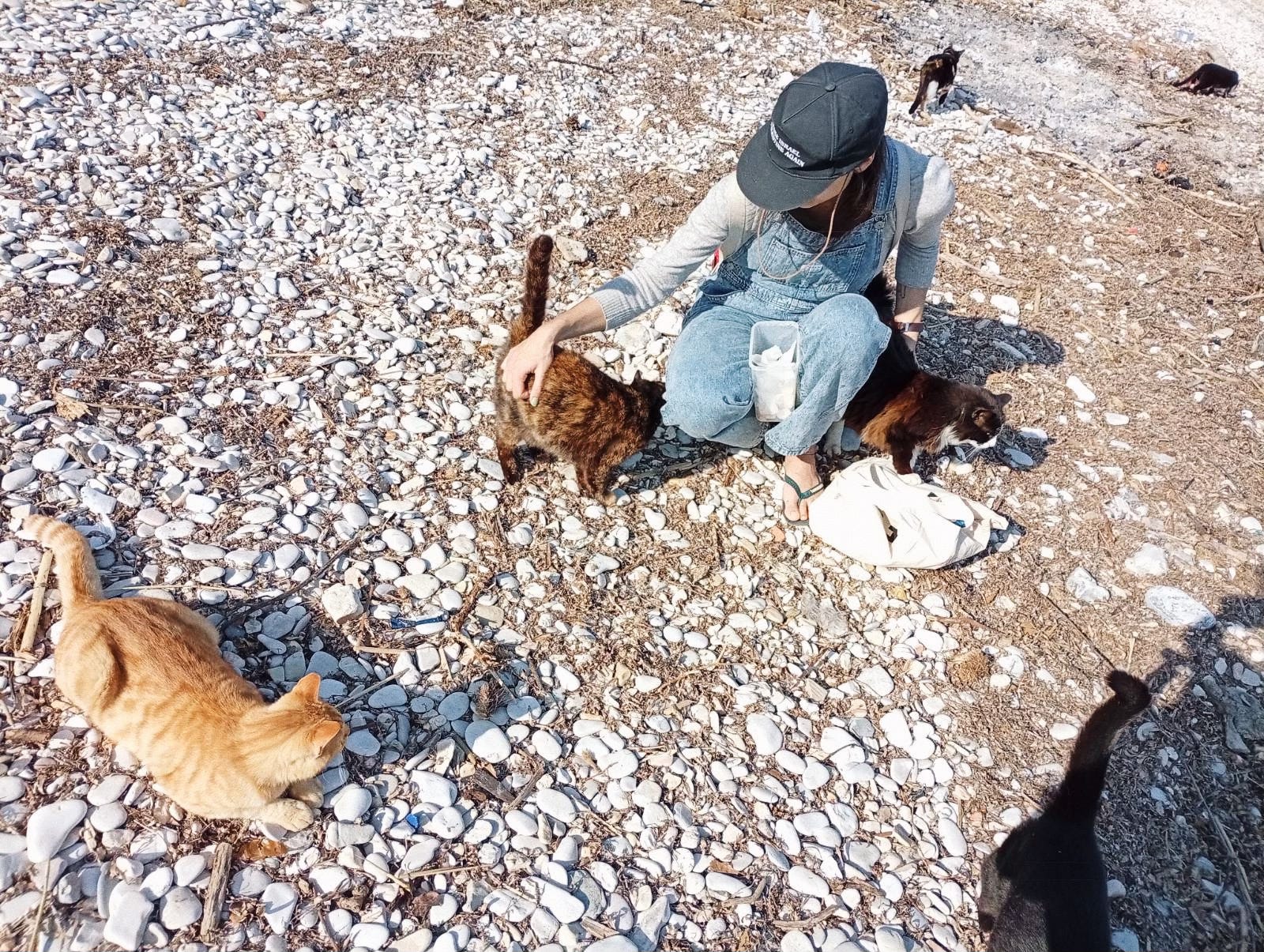
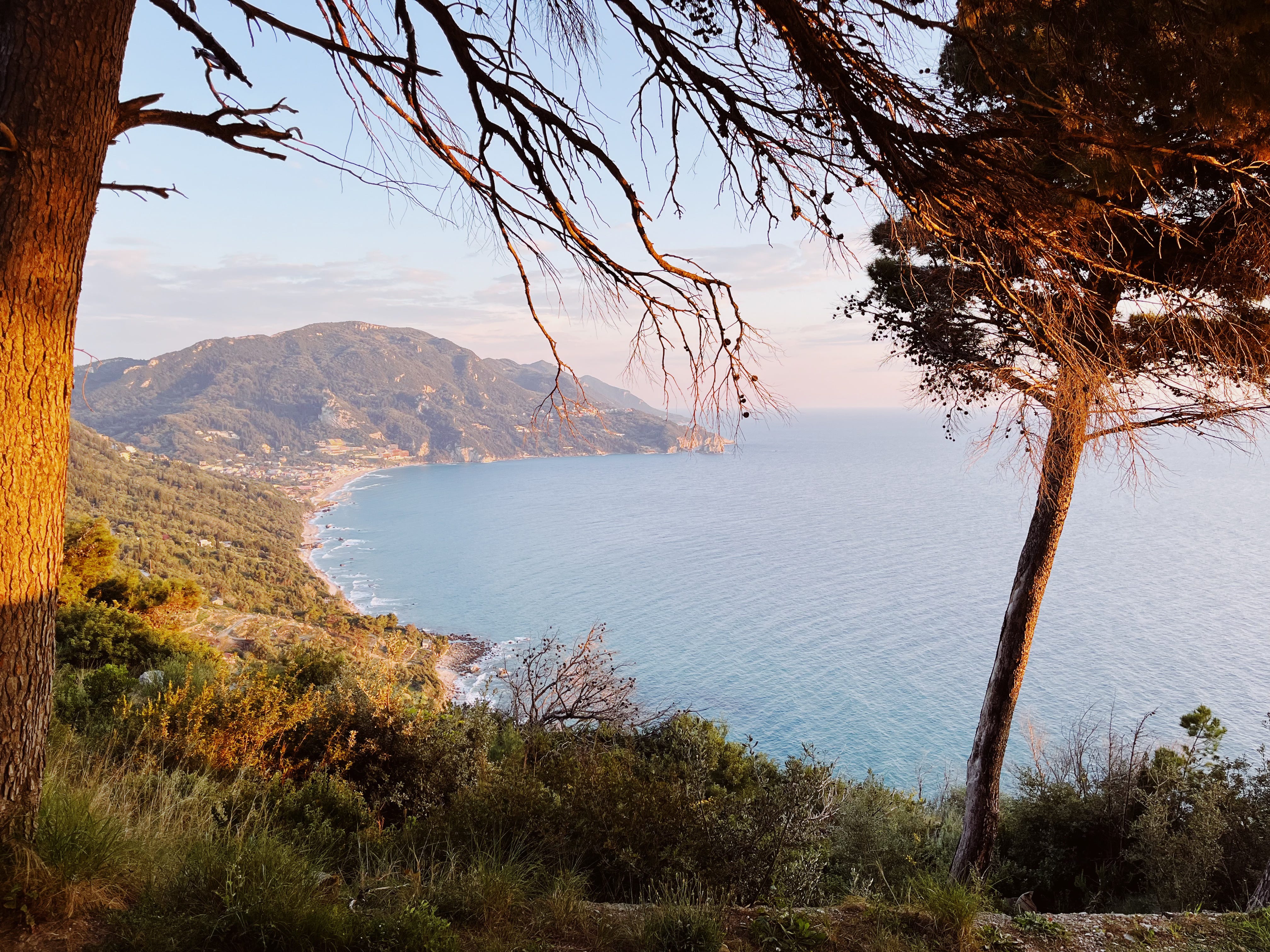
In Corfu, it’s almost impossible not to see the sea. Or a cat.
Here is a montage of two videos showing a flamingo flying and passing by a grey heron. The mirror effect is magnificent.
From Fanon to Cabral
I began this newsletter by talking about the Algerian Revolution. Other African liberation movements were at the root of our own, here in Portugal. The 25 April Revolution was not a peaceful one; it began more than a decade earlier in Angola, Guinea-Bissau, Mozambique, Cape Verde and São Tomé and Príncipe. Opposition to the colonial war was one of the main factors behind the coup d’état. The Portuguese people and the armed forces wanted the colonial war to end, above all because we were fed up with dying overseas. For many reasons, we will be eternally indebted to those countries and their revolutionary movements.
But, despite being the most beautiful month of the year, April has yet to be fulfilled. The aspirations that led to the coup of ’74 are far from having been realised (just look at the example of work!) They were codified two years later, on 2 April, in our Constitution, an extremely revolutionary text written exactly 50 years ago. To mark its anniversary, Bertrand Livreiros, a chain of bookshops, invited me and other artists who engage politically in the public sphere to write a short text on the subject, at a time when its revision is being proposed, to be published this month on their website. So I wrote about work (and other commitments) (in English, below):
A nossa Constituição foi escrita pelo povo. E o seu preâmbulo por poetas. Este resume, ainda, aquilo que desejo para o nosso país: que se abra «caminho para uma sociedade socialista, no respeito da vontade do povo português». Esta frase encerra dois desejos: o de uma organização social orientada para o florescimento de todos os seres humanos, e não para a acumulação do capital de uma minoria, a ser construída com a vontade do povo.
A vontade de um futuro sem escassez, em que o trabalho não é alienado de quem o produz, mas se torne o destino das nossas capacidades de cooperação e experimentação para que se realize todo o nosso potencial enquanto seres sociais e criativos. Em que a habitação não é um activo de investimento, mas um espaço para viver. Em que a paz, o pão, a saúde e a educação sejam garantias, e não mercadorias.
A Constituição não precisa de ser revista, mas cumprida, nesse projecto partilhado de prosperidade da vida humana, dentro dos limites do nosso planeta.
Our Constitution was written by the people. And its preamble was written by poets. That preamble still captures what I wish for our country: that a path be opened ‘toward a socialist society, in respect for the will of the Portuguese people.’ This sentence contains two aspirations: that of a social organization oriented toward the flourishing of all human beings, rather than the accumulation of capital by a minority, to be built with the will of the people.
The aspiration for a future without scarcity, in which work is not alienated from those who produce it, but instead becomes the destiny of our capacities for cooperation and experimentation, so that our full potential as social and creative beings may be realized. A future in which housing is not an investment asset, but a place to live. In which peace, bread, health, and education are guarantees, not commodities.
The Constitution does not need to be revised, but fulfilled, in this shared project of human prosperity within the limits of our planet.
For those who don’t know, ‘peace, bread, health and education’ is a reference to a Portuguese song written by Sérgio Godinho.
And here is another beautiful poem, in Portuguese, entitled Esta Lei (This Law), about our Constitution, written by Maria Velho da Costa and read by João Ferreira.
Do you remember the illustration competition on our Constitution and human rights? First prize went to Duarte Carolino, with a poster on Article 59, which enshrines the ‘right to rest and leisure, to a maximum limit on the working day, to weekly rest, and to periodic paid holidays’. :)
Now I’m off to get a red carnation tattoo.
25 de Abril sempre.
Não passarão.
You’re absolutely right to make that remark; mea culpa for not mentioning it earlier and for not even having thought about who took that photograph. What you say about photographic portraits is very interesting, and I’d never thought about how they can convey the sense that the observer – the portraiture artist – doesn’t exist.
It’s been corrected now :)
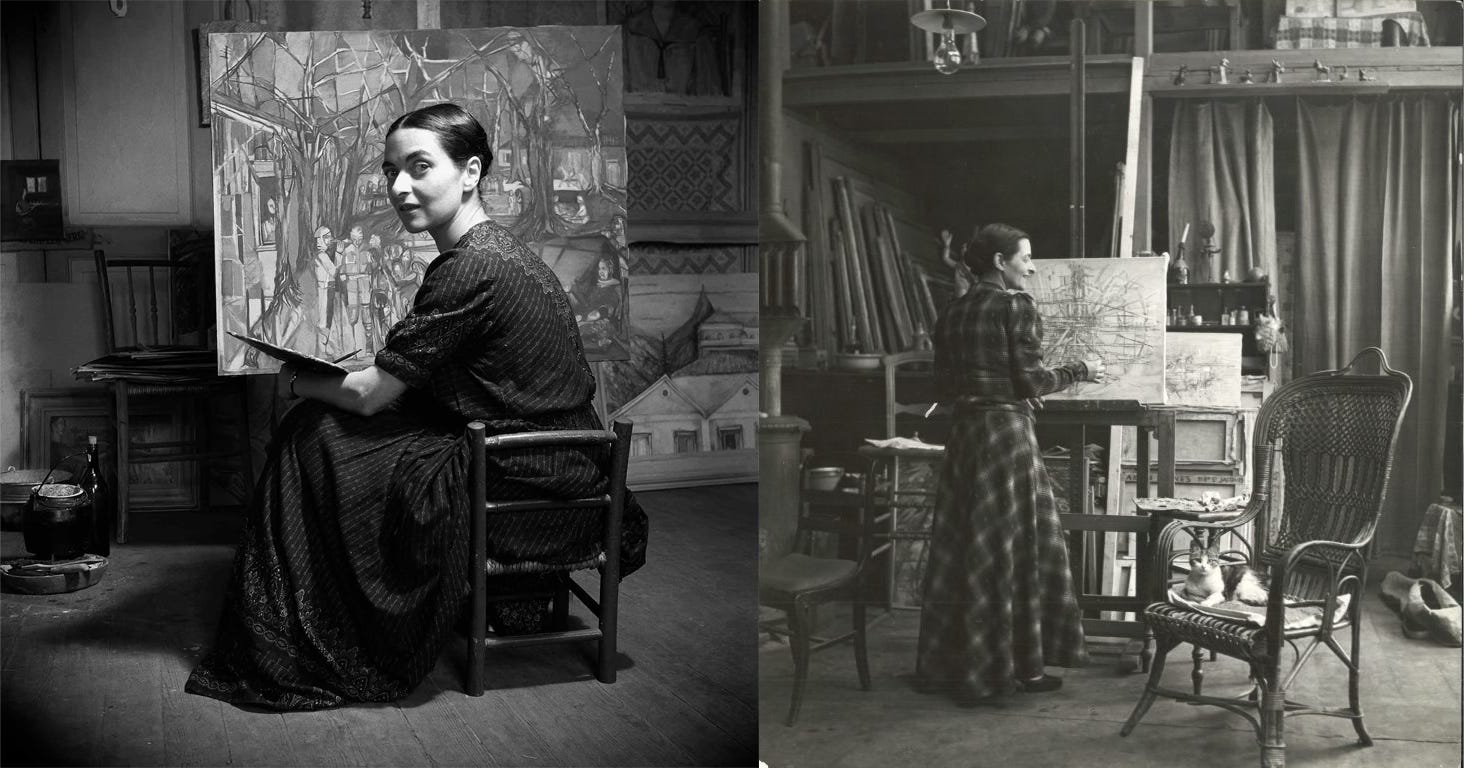
In my bibliographical research, she always appears with her hair down in Rio de Janeiro, except in two photos: this one and another where she is outdoors with Corcovado in the background. That one says ‘Photo: Carlos’, so it must be him. And it’s funny that, for a portrait session, she decided to stick to her usual European look, with her hair tied back.
And thanks! :)
We should sort that out soon. Perhaps next month, after the deadline for this book. I’ll send you an email!
As always, so happy every time I get a notification from Runaway Donkey, which always comes as a surprise. But I have a quibble this time around: you list the author who drew the portrait of Viera da Silva (Arpad Szenes), but not the author of the photographic portrait just above.
While the second photograph seems a candid shot, the first one was clearly thought out. Viera da Silva sits in a posture perfectly balanced in the shot, her torso framed by her own work in progress. The light baths her from an upper left angle, which separates her for the carefully placed elements in the background, like the bottle and the pot. A reverse image search reveals the author to be Hungarian photographer Carlos Moskovics.
It's a curious issue that photographic portraits are thought to "belong" more to the sitter than to the photographer, relegating the later to anonymity. On the other hand, it is a triumph of a good portrait when us as spectators replace the camera for ourselves, given us the illusion that we were there, looking at the person in front.
When's our very overdue next portrait session?